Importance of Elderly Care: Health, Support, and Independence
Did you know that by 2050, the global population aged 60 and over will nearly double, from approximately 1 billion in 2020 to 2.1 billion?
This dramatic shift highlights the urgent need to prioritize the importance of elderly care.
Elderly care is important because it ensures physical health, emotional support, and dignity for aging individuals. It also reduces risks of illness, prevents isolation, and improves quality of life.
But elderly care goes beyond health management. It means preserving independence and safety, preventing falls, and supporting mobility.
It involves specialized aspects such as foot care, oral care, and skin care, which are vital to comfort and overall well-being.
In this comprehensive guide, we’ll explore why elderly care is essential, cover health, independence, cognitive and emotional well-being, family support, specialized care, and community impact.
Therefore, let’s get started!
What is Elderly Care?
According to the American Geriatrics Society, elderly care – also known as geriatric or senior care means specialized medical, personal, and social support designed to meet the complex needs of older adults, especially aged 65+.
This service aims to manage chronic conditions, preserve mobility and function, protect mental and emotional health, and preserve dignity and independence.
Home-based care brings nursing, rehab, medication management, and personal assistance to the senior’s own home to help maintain independence and comfort.
Assisted living offers housing, meals, and help with activities of daily living for people who need support but not 24/7 skilled nursing.
Nursing homes (skilled nursing facilities) provide round-the-clock skilled nursing, rehabilitation, and supervision for people with higher medical needs.
Caregivers, both family members and paid staff, help with daily tasks, manage medicines, coordinate care, and provide emotional support.
Family caregivers make up a large, often unpaid workforce, and their health and financial well-being are important public-health concerns.
Why Is It Important to Take Care of the Elderly?
As the global population ages, understanding the multifaceted importance of elderly care becomes increasingly crucial.
1. Health and Emotional Support
Elderly individuals often face complex health challenges, including chronic conditions and cognitive decline.
Comprehensive care that addresses both physical and emotional needs is vital.
Personalized care plans, as highlighted by Gracious Hearts Inc., can significantly enhance the quality of life for seniors by providing tailored support.
2. Respect, Gratitude, and Dignity
We all should recognize the elderly people’s contributions and treat them with respect.
According to a 2020 meta-synthesis study published in Nursing Ethics, older adults’ dignity depends on the quality of social services and the respect professionals show for their privacy and integrity.
3. Societal Responsibility
Ensuring the well-being of older adults reflects the values of a compassionate society.
Initiatives like the ‘Golden Care’ program launched by the Rachakonda police in India exemplify community efforts to support seniors through welfare schemes, medical aid, and protection against abuse.
4. Enhances Quality of Life
Proper elderly care enables seniors to maintain independence and engage in meaningful activities.
This not only improves their physical health but also boosts mental and emotional well-being, leading to a more fulfilling life.
5. Prevents Isolation and Neglect
Social isolation is a significant risk factor for elder abuse and neglect.
According to a study published in Frontiers in Public Health, lack of social support significantly increases the risk of elder maltreatment, including psychological and physical abuse, as well as neglect.
The 5 M’s of Geriatric Care: A Universal Approach to Aging
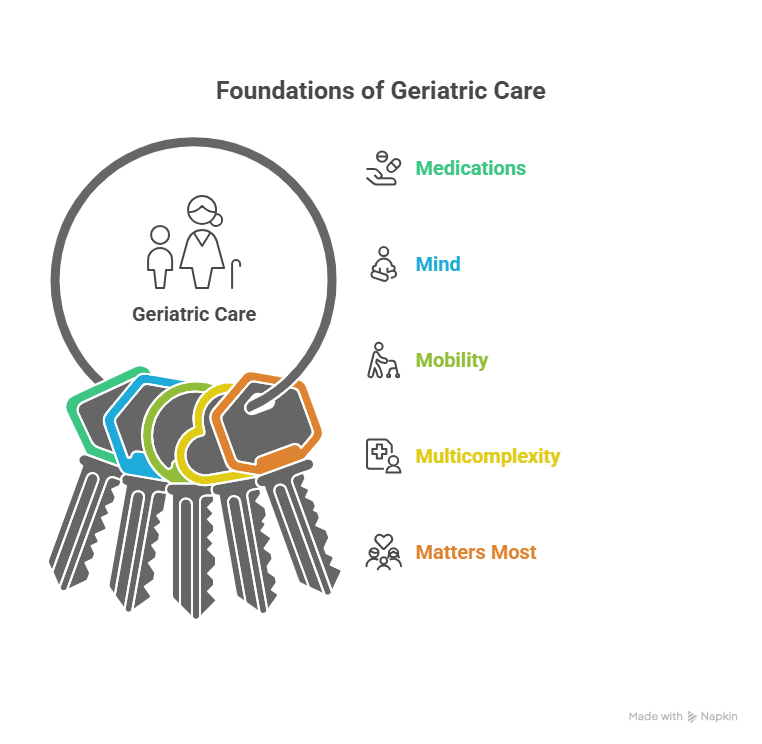
The Geriatrics 5Ms framework, which includes Medications, Mind, Mobility, Multicomplexity, and Matters Most.
These offer a comprehensive, person-centered approach to elderly care.
1. Medications: Ensuring Safe and Effective Treatments
Older adults often manage multiple chronic conditions, which leads to polypharmacy. This increases the risk of adverse drug interactions and side effects.
Regular medication reviews, deprescribing unnecessary drugs, and considering age-related physiological changes are essential to minimize risks.
For example, medications with anticholinergic properties, like diphenhydramine, can increase sedation and lead to confusion or falls in the elderly population.
2. Mind: Supporting Cognitive and Emotional Health
Cognitive decline, including conditions like dementia and delirium, is common among older adults. Regular screenings for memory, mood, and mental health are vital.
Early detection allows for timely interventions, such as therapy, medications, or support services, to maintain cognitive function and emotional well-being.
3. Mobility: Promoting Physical Activity and Independence
Maintaining mobility is crucial for independence and quality of life. Geriatric care includes assessing gait, balance, and the risk of falls.
Implementing physical therapy, exercise programs, and providing mobility aids can help seniors maintain strength and prevent injuries.
4. Multicomplexity: Managing Multiple Health Conditions
Older adults often face multiple chronic conditions simultaneously. This complexity requires a coordinated care approach to manage various health issues without conflicting treatments.
For example, a person with heart failure and diabetes may need personalized interventions that address both conditions without aggravating either.
5. Matters Most: Aligning Care with Personal Goals
Understanding what matters most to the individual is fundamental. This involves discussing and respecting the patient’s values, preferences, and desired outcomes.
Care plans should be personalized to align with these goals to ensure that interventions enhance the individual’s quality of life.
Importance of Foot Care in the Elderly
Proper foot care not only enhances mobility and independence but also plays a critical role in preventing serious health complications.
1. Common Foot Issues: Diabetes and Mobility Problems
Older adults, particularly those with diabetes, are at increased risk for foot problems.
Conditions like diabetic neuropathy can lead to reduced sensation in the feet, which makes injuries less noticeable and more prone to infection.
Additionally, poor circulation and foot deformities such as bunions or hammertoes can exacerbate these issues.
These issues lead to ulcers and potential amputations if left untreated.
2. Preventing Falls and Infections
Maintaining healthy feet ensures better balance and mobility, which are crucial for preventing falls.
Additionally, regular foot hygiene and appropriate footwear can prevent infections, which are particularly dangerous for those with weaker immune systems or chronic conditions
3. Importance of Regular Foot Checks
Regular foot examinations by healthcare professionals, especially podiatrists, are essential for early detection of potential problems.
These check-ups can identify issues like skin changes, infections, or deformities before they become serious.
For individuals with diabetes, comprehensive foot exams are recommended at least annually to prevent complications.
Importance of Oral Care in the Elderly
Maintaining oral health in older adults is crucial for overall well-being, as it significantly impacts systemic health, nutrition, and quality of life.
1. Links to Heart Disease, Infections, and Nutrition
Poor oral health has been linked to heart disease, as inflammation from dental bacteria can lead to infections of the heart lining and clogged arteries.
Additionally, oral infections can make it difficult to chew and swallow. This situation leads to malnutrition.
Maintaining oral health is vital for preventing these serious health issues.
2. Role of Oral Hygiene
Good oral hygiene helps prevent tooth decay, gum disease, and tooth loss.
Neglecting oral care can lead to systemic issues, including cardiovascular diseases and respiratory infections.
3. Simple Daily Oral Care Tips
- Brush teeth twice daily with fluoride toothpaste.
- Floss daily to remove plaque between teeth.
- Use mouthwash to reduce bacteria.
- Regularly visit a dentist for check-ups and cleanings.
- Stay hydrated to prevent dry mouth.
Importance of Skin Care in the Elderly
Proper skin care not only enhances comfort but also prevents serious complications.
1. Aging Skin Risks
As skin ages, it loses moisture and elasticity, which leads to dryness and increased vulnerability to irritations and infections.
Conditions like xerosis (dry skin) are common. It causes itching and potential skin breakdown.
Additionally, older skin is thinner and more prone to bruising and tearing, making it susceptible to sores and infections.
2. Preventing Bedsores
For individuals with limited mobility, preventing bedsores (pressure ulcers) is vital.
Regular repositioning, at least every two hours, reduces prolonged pressure on the skin.
Utilizing pressure-relieving devices, such as specialized mattresses and cushions, can further minimize risk.
3. Importance of Hydration, Cleanliness, and Monitoring
Adequate hydration is crucial for maintaining skin elasticity and preventing dryness.
Regular cleansing with gentle, pH-balanced products helps remove impurities without stripping natural oils.
Importance of Holistic Care in the Elderly
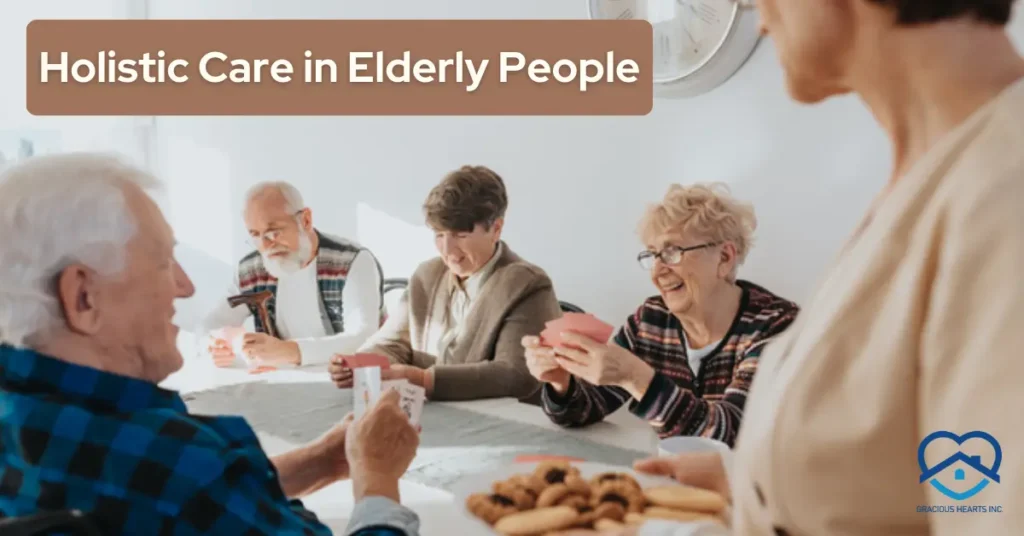
Holistic care for the elderly means more than just addressing physical health; it involves recognizing and nurturing the emotional, spiritual, mental, and social aspects of aging.
1. Beyond Physical Care: Emotional, Spiritual, Mental, and Social Needs
As individuals age, their needs extend beyond the physical. According to the World Health Organization, social isolation and loneliness significantly increase the risk of mental health conditions in older adults.
Emotional support helps mitigate feelings of loneliness and depression, while spiritual care provides a sense of purpose and peace.
Mental stimulation through activities like puzzles or reading can delay cognitive decline, and strong social connections combat isolation.
2. Benefits of Holistic Therapies: Meditation, Counseling, Social Activities
Integrating therapies such as meditation, counseling, and engaging in social activities offers numerous benefits.
Meditation and mindfulness practices have been shown to reduce stress and anxiety, improve sleep quality, and enhance emotional resilience.
Counseling provides a platform for expressing feelings and coping with life changes, while social activities foster a sense of community and belonging.
3. Holistic Care Equals Dignity and Quality of Life
Holistic care respects the individuality of each senior and acknowledges their unique experiences and preferences.
By addressing all facets of a person’s well-being, holistic care promotes autonomy, self-worth, and a higher quality of life.
This approach not only improves physical health outcomes but also ensures that elderly individuals lead lives filled with purpose, connection, and dignity.
Community and Social Importance of Elderly Care
Elderly individuals play a vital role in enriching communities through their wisdom, experiences, and active participation.
1. Elderly as Knowledge Keepers
In many Indigenous communities, elders are revered as custodians of cultural heritage, guiding younger generations through teachings and storytelling.
Their insights bridge the past and present.
2. Elderly Care as a Community Responsibility
While families often take the lead in caring for elderly people, communities, healthcare providers, and policymakers must collaborate to create supportive environments for older adults.
Shared initiatives, like the Community Care for the Elderly Program, offer services that assist functionally impaired elders, promoting independence and quality of life.
3. Volunteer Work, Mentorship, and Cultural Value
Engaging in volunteerism allows seniors to impart their expertise and values to others.
Such involvement not only benefits the recipients but also enhances the well-being of the volunteers themselves.
Importance of Physical Health Care in the Elderly
Key components include proper nutrition, regular exercise, and preventive medical care.
1. Nutrition
A balanced diet rich in essential nutrients supports immune function, bone health, and overall vitality.
Adequate intake of proteins, vitamins, and minerals helps prevent malnutrition and related complications.
Personalized nutrition plans can address specific health needs, such as managing diabetes or hypertension.
For example, a diet low in sodium and rich in potassium can help control blood pressure.
2. Exercise
Regular physical activity is crucial for maintaining mobility, strength, and mental well-being.
Engaging in exercises like walking, strength training, and balance activities can reduce the risk of falls, enhance cardiovascular health, and alleviate symptoms of depression.
The CDC highlights that physical activity can lower the risk of heart disease, stroke, and type 2 diabetes in older adults.
3. Preventive Medical Care
Routine screenings and vaccinations are vital for early detection and prevention of diseases.
Regular check-ups can identify issues like high blood pressure, cholesterol levels, and early signs of chronic conditions.
Preventive care also includes immunizations to protect against illnesses such as influenza and pneumonia.
4. Reducing Hospitalizations
Implementing comprehensive elderly care strategies can significantly decrease the likelihood of hospital admissions and the development of chronic diseases.
A study published in Preventive Medicine found that regular physical activity and proper nutrition are associated with lower hospitalization rates and improved health outcomes in older adults.
FAQs
1. Why is elderly care important in today’s society?
Elderly care is essential because it ensures older adults receive the physical, emotional, and medical support they need as they age. With increasing life expectancy, senior care helps maintain their dignity, independence, and quality of life.
2. How does elderly care benefit families?
Elderly care provides peace of mind for families, knowing their loved ones are safe and well-supported. It reduces caregiver stress, allows family members to balance work and personal life, and fosters stronger intergenerational relationships.
3. What are the key elements of quality elderly care?
Quality elderly care includes:
- Medical support
- Emotional care
- Daily assistance
- Social engagement
- Safety measures
4. Is elderly care only about medical needs?
No, elderly care is not only about medical needs; it goes beyond medical needs. While healthcare is vital, seniors also require social interaction, emotional connection, safe living environments, and opportunities for continued learning or hobbies to lead a meaningful life.
5. Why is elderly care becoming more important with time?
With global aging populations, elderly care is increasingly important. Longer lifespans mean more people face age-related health issues and require support. Proper elderly care ensures seniors live healthier and happier lives.
Bottom Line
Elderly care is essential for ensuring that seniors live with dignity, comfort, and well-being.
Comprehensive care goes beyond medical support. It addresses specialized areas such as oral hygiene, skin and foot health, and holistic emotional and social needs.
By recognizing the importance of personalized, attentive care, families and communities can help prevent loneliness, illness, and loss of independence.
For those seeking exceptional elderly care in Arizona, Gracious Hearts Inc. offers compassionate, personalized elderly care, ensuring safety, comfort, and a better quality of life for every elderly individual.
Because Every Senior Deserves a Brighter Tomorrow!
