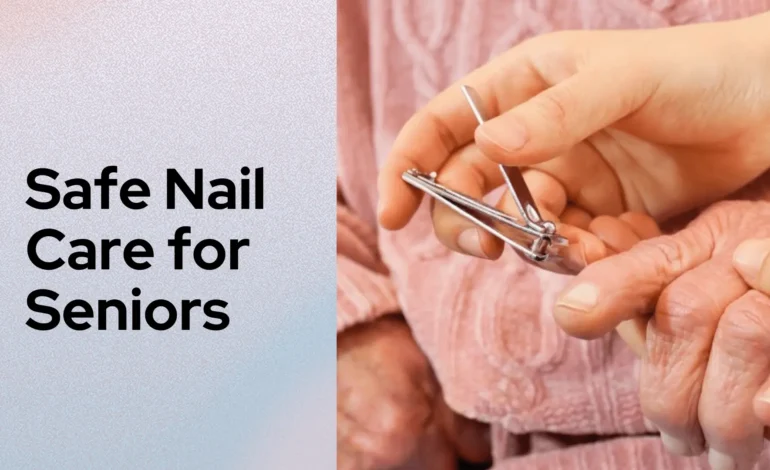
Elderly Nail Care Services and Home Guide
Did you know that one-third of adults aged 65 and older experience foot pain, stiffness, or other issues?
For seniors, even minor foot or nail problems can quickly develop into serious complications if not properly addressed. That’s why elderly nail care services are essential.
These services go beyond a typical manicure or pedicure. They include trimming nails, gentle filing, moisturizing treatments, and monitoring circulation issues.
It also prevents common problems, such as fungal infections and ingrown toenails. Professional nail care for seniors not only reduces discomfort but also improves mobility, boosts confidence, and ensures that older adults can safely stay active.
From medical pedicures and podiatrist-led treatments to mobile and at-home nail care services, seniors now have access to safe, professional options tailored to their unique needs.
In this guide, you will see how to choose the right service, what to expect from medical, mobile, and salon options, DIY safety tips for at-home care, and where to find trusted providers.
Therefore, let’s get started!
Understanding Elderly Nail Care
Aging brings unique challenges that make elderly-specific nail care very different from standard treatments.
Standard Nail Care vs Elderly-Specific Care
Standard nail care often focuses on cosmetic aspects, such as trimming and polishing nails.
In contrast, elderly-specific nail care addresses the unique physiological changes and health conditions associated with aging.
This specialized care aims to prevent complications like infections, ingrown toenails, and circulation issues.
Why Seniors Need Specialized Nail Care
As individuals age, several factors necessitate specialized nail care:
- Skin Fragility: Aging skin becomes thinner and more prone to cuts and bruises, making gentle nail care essential.
- Health Conditions: Chronic conditions like diabetes can lead to neuropathy and poor circulation, increasing the risk of foot ulcers and infections.
- Nail Changes: Nails may become thicker, more brittle, or discolored, requiring professional attention to prevent complications.
- Mobility Limitations: Arthritis and other musculoskeletal issues can make it challenging for seniors to reach and properly care for their nails.
Key Considerations in Elderly Nail Care
1. Diabetes
Seniors with diabetes should avoid self-trimming toenails to reduce the risk of infections.
Podiatrists play a crucial role by offering specialized care to maintain the health of elderly feet.
2. Frailty
Professional nail care ensures seniors receive the necessary attention to maintain healthy nails, prevent complications, and support proper wound care for elderly thin skin.
3. Neuropathy
Nerve damage can impair sensation in the feet, making it difficult to detect injuries or infections.
Regular professional nail care helps in early detection and prevention.
4. Poor Circulation
Reduced blood flow can slow healing and increase the risk of infections.
Proper nail care and foot inspections are vital for individuals with circulation issues.
Common Nail Problems in the Elderly
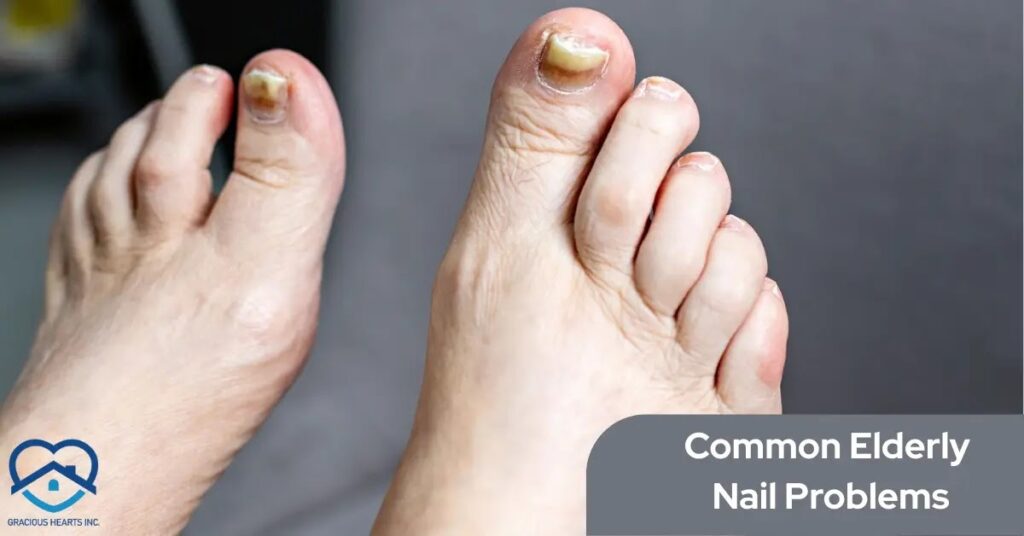
As individuals age, various physiological changes can lead to specific nail issues that require attention.
1. Thickened Toenails
Thickening of toenails is a common condition among the elderly.
This can result from fungal infections, such as onychomycosis, which cause nails to become discolored, brittle, and thickened.
Additionally, conditions like psoriasis or trauma to the nail can contribute to this thickening.
If left untreated, thickened toenails can lead to discomfort and difficulty in walking.
2. Brittle or Split Nails
As people age, nails may become brittle, fragile, and prone to cracking or splitting.
This can reduce moisture retention, hormonal changes, nutritional deficiencies, and frequent exposure to water and harsh chemicals.
Maintaining proper hydration and using gentle nail care products can help mitigate this issue.
3. Ingrown Toenails
Ingrown toenails occur when the edge of a toenail grows into the surrounding skin. It causes pain, redness, and sometimes infection.
In older adults, this condition can be exacerbated by improper trimming, tight footwear, or underlying health issues that affect nail growth.
It’s essential to trim nails straight across and avoid cutting them too short to prevent this condition.
4. Fungal Infections (Onychomycosis)
Onychomycosis is the most common nail infection, especially among the elderly.
It leads to symptoms like white or yellow nail discoloration, thickening of the nail, and separation of the nail from the nail bed.
Risk factors include diabetes, peripheral vascular disease, and weakened immune systems.
Treatment options range from topical antifungal medications to oral treatments, based on the severity.
5. Pain and Mobility Issues
Neglecting proper nail care can lead to various complications, including pain and mobility issues.
Conditions like ingrown toenails or fungal infections can cause discomfort, making walking and other daily activities challenging.
Types of Elderly Nail Care Services
Various services cater to the unique needs of the elderly, ranging from professional medical care to at-home treatments.
1. Podiatrists
Podiatrists are medical professionals specializing in diagnosing and treating foot and ankle disorders. They possess the expertise to manage complex foot conditions.
Seniors with diabetes, neuropathy, poor circulation, or other underlying health issues should seek podiatric care.
Podiatrists can address complications such as ingrown toenails, fungal infections, and other foot ailments.
During a podiatry visit, seniors can expect a comprehensive foot examination, professional nail care, and personalized treatment plans tailored to their specific needs.
2. Medical Spas & Licensed Nail Technicians
Some medical spas are supervised by podiatrists. They offer specialized nail care services in a sterile environment.
These spas provide treatments that address both cosmetic and medical foot concerns.
Medical spas adhere to strict hygiene protocols. They utilize sterilized equipment and disposable tools to minimize the risk of infections.
Services include nail trimming, fungal treatment, callus and corn removal, and preventive foot health monitoring.
3. Mobile Foot Care Specialists
Mobile foot care providers offer in-home services including nail trimming, cuticle care, callus removal, and treatment for mycotic nails.
These services are particularly beneficial for seniors with mobility issues. They provide convenient and personalized care in the comfort of their homes.
4. Home Health Agencies
Home health agencies provide comprehensive care, including foot inspections, nail care, and management of foot-related health issues.
They enhance the overall well-being of seniors.
How to Choose the Right Elderly Nail Care Services?
Here are the key factors to evaluate.
1. Certifications and Training
Podiatrists (DPMs) are the gold standard for seniors with diabetes, neuropathy, vascular disease, or recurring infections.
They can trim nails safely, treat ingrown toenails, prescribe antifungals, and perform minor procedures if needed.
Licensed Nail Technicians in salons must meet state cosmetology board standards.
However, not all are trained in geriatric care. For seniors, it’s best to seek technicians who have additional training in “medical pedicures” or diabetic foot care.
Medical Nail Technicians (MNTs) and Foot Care Nurses often complete specialized programs that teach sterile technique, waterless services, and protocols for at-risk populations.
2. Safety and Sterilization Standards
Sterilization is crucial because seniors’ thinner skin and weaker immunity make them more vulnerable to fungal or bacterial infections.
Confirm that tools are either autoclave-sterilized (hospital standard) or single-use.
Ask about foot bath disinfection, pipeless basins, or disposable liners, which are safest.
Ensure gloves are used, and technicians are trained to spot signs of infection or poor circulation.
3. Cost Considerations
Traditional salons usually cost $20 – $50 but carry a higher risk if sanitation is poor.
Medical pedicures or podiatrist care cost $60 – $200 and provide greater safety and clinical oversight.
Mobile or home services generally cost $50 – $100, based on travel and treatment.
Insurance rarely covers routine trimming unless it is medically necessary, so check if a doctor’s referral can lower the cost.
4. Mobile vs. In-Clinic Care
Mobile or in-home services suit seniors who are homebound, use mobility aids, or live in assisted facilities. They provide convenience and lower the risk of falls from traveling.
Clinic or podiatry visits suit high-risk patients with diabetes, open wounds, or severe fungal infections. Clinics provide a sterile environment, diagnostic tools, and immediate medical care.
Step-by-Step Elderly Nail Care at Home
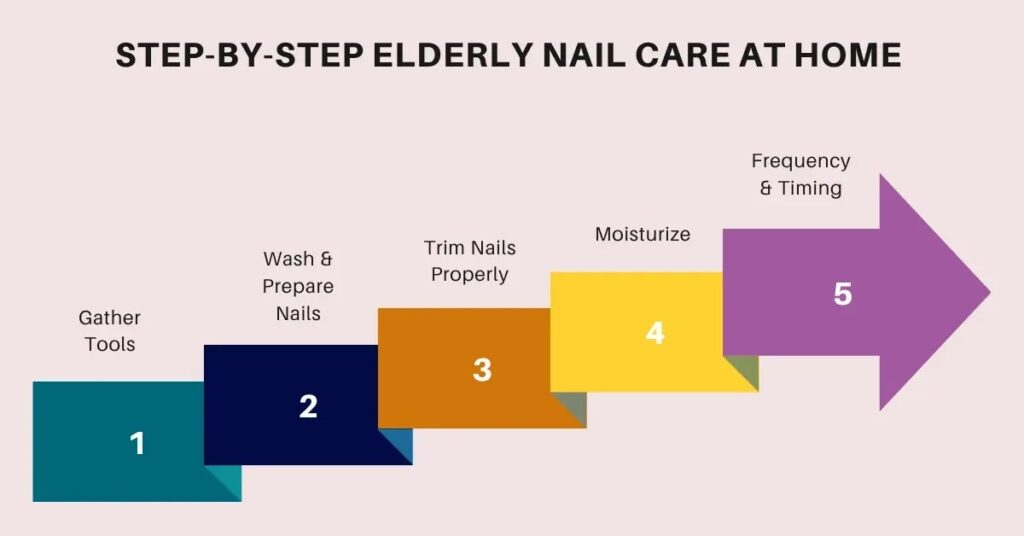
Follow these steps for safe and effective care.
Step 1: Gather Tools
For nail care, choose wide-jaw or rotating-head clippers for thick or curved nails.
Use glass or metal files and avoid porous ones to reduce bacteria.
Apply thick, emollient-rich creams to hydrate nails and cuticles.
Keep an antiseptic solution and cotton on hand to clean tools and apply creams, and use a towel to dry hands and feet thoroughly.
Step 2: Wash and Prepare Nails
Clean hands and feet with warm water and mild soap, then dry them thoroughly, especially between the toes, to prevent fungal growth.
Soften thick nails by trimming them after a warm bath or shower.
Step 3: Trim Nails Properly
Cut nails straight across without rounding the corners to prevent ingrown nails.
Keep a small white edge and avoid cutting nails too short.
Gently file edges to remove rough spots and prevent snags.
Step 4: Moisturize
Apply a rich cream to nails and cuticles.
Do not cut the cuticles; gently push them back after they soften.
Step 5: Frequency and Timing
Check nails weekly for infection, discoloration, or ingrown nails.
Trim them every 2 – 4 weeks based on growth and thickness, ideally after a warm bath or shower when they are soft.
Step 6: Watch for Warning Signs
Watch for warning signs such as redness, swelling, pus, or foul odor, which may indicate infection.
Yellow, green, or black nails can signal fungal or bacterial problems.
Persistent pain or tenderness around the nails and ingrown nails causing discomfort are also signs to watch.
If any of these appear, consult a podiatrist or qualified medical professional promptly.
At-Home Elderly Nail Care vs. Professional Services
Here’s a comparison to help you make an informed decision.
At-Home Elderly Nail Care
Pros
- Caregivers can provide nail care at the senior’s home.
- Avoids the expenses associated with professional services.
- Caregivers can craft the nail care routine to the senior’s specific needs.
Cons
- Improper trimming can lead to cuts, infections, or ingrown nails.
- Caregivers may not have the specialized knowledge to identify and treat nail conditions.
- Home tools may not be as effective for treating certain nail issues.
Professional Elderly Nail Care Services
Pros
- Podiatrists and trained technicians can provide specialized treatment for various nail conditions.
- Access to professional-grade equipment for effective treatment.
- Professionals can identify underlying health issues affecting nail health.
Cons
- Professional services can be more expensive than at-home care.
- Seniors with mobility issues may find it difficult to visit a clinic.
- There’s a risk of fungal or bacterial infections.
FAQs
Why is nail care important for the elderly?
Nail care is essential for seniors because it prevents infections, reduces discomfort, and supports mobility. Thickened or ingrown toenails can cause pain, affect balance, and increase fall risk. Regular professional nail care ensures healthier feet and overall well-being.
How often should elderly toenails be trimmed?
Seniors should have their toenails trimmed every 6 to 8 weeks. However, those with diabetes, poor circulation, or thickened nails may require more frequent professional care to prevent complications.
Who provides nail care services for the elderly?
Elderly nail care is often provided by podiatrists, licensed foot care nurses, or trained caregivers. Many home healthcare agencies and senior care services also offer professional nail trimming and foot hygiene support.
Are nail care services for seniors safe at home?
Yes, many providers offer safe, in-home nail care services for seniors. Mobile foot care specialists bring sterilized tools and provide hygienic trimming, reducing the need for elderly individuals to travel to clinics.
What happens if elderly toenails are not cared for?
Neglecting nail care in seniors can lead to fungal infections, ingrown nails, foot pain, and mobility issues. In severe cases, untreated toenails may cause skin ulcers or complicate conditions like diabetes.
Bottom Line
Regular maintenance helps prevent common issues such as fungal infections, ingrown nails, and discomfort, which can impede daily activities.
Given the complexities associated with aging, including decreased circulation, mobility challenges, and skin fragility, it’s crucial to prioritize safety and hygiene in nail care routines.
While at-home care can be beneficial, consulting with professionals ensures that seniors receive appropriate treatment tailored to their specific needs.
Podiatrists and trained nail technicians possess the expertise to address underlying health conditions, provide specialized treatments, and offer guidance on proper nail care practices.