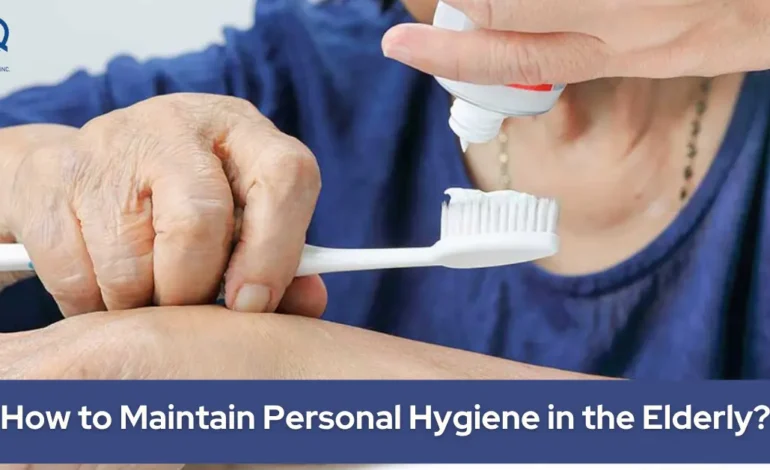
Personal Hygiene Care for the Elderly: Safe, Simple, and Dignified Care Tips
According to the World Health Organization, the global population aged 60 and above will surpass 2.1 billion by 2050. This makes senior wellness and hygiene an essential pillar of modern healthcare.
Personal hygiene care for the elderly involves maintaining daily cleanliness to prevent infection, promote comfort, and preserve dignity.
So, what is personal hygiene care for the elderly?
In simple terms, it’s the practice of keeping the body clean and healthy through consistent bathing, grooming, oral care, nail trimming, and incontinence management.
More than physical cleanliness, it reflects emotional well-being and supports independence and dignity.
In this comprehensive guide, you’ll learn everything you need to know about personal hygiene for senior citizens.
From understanding its importance and creating a personalized elderly hygiene care checklist, to practical caregiver tips, adaptive tools, and best daily care routines.
Whether you’re a family caregiver or a professional, this guide will show you how to take care of personal hygiene effectively, safely, and respectfully.
Therefore, let’s get started!
Importance of Personal Hygiene Care for the Elderly
Maintaining good personal hygiene in older adults protects physical health, supports emotional well-being, and reduces healthcare costs.
1. Prevents infections, skin issues, and dental diseases
Regular bathing, handwashing, oral care, and skin inspection significantly reduce the risk of bacterial, fungal, and dental infections common in older adults.
Proper hand hygiene minimizes infection transmission, while routine skin care and moisturization prevent cracks and ulcers.
Consistent oral hygiene supports overall health by preventing cavities, gum disease, and related complications.
2. Enables early detection of health issues
Daily grooming and caregiving routines create opportunities to spot early signs of medical problems.
New rashes, non-healing sores, foot ulcers (critical for people with diabetes), or oral pain can be treated before they escalate.
3. Boosts confidence, comfort, and self-esteem
A sense of personal control over hygiene contributes to improved mood and willingness to participate in social activities.
AARP and other caregiving authorities highlight dignity and autonomy as central aims of hygiene support.
4. Supports emotional and social well-being
Hygiene influences social interaction: maintaining oral and body hygiene reduces unpleasant symptoms (bad breath, body odor) that can isolate seniors.
Moreover, consistent routines and respectful assistance can reduce anxiety, maintain routines for people with cognitive impairment, and preserve social ties.
5. Reduces caregiver burden and hospital visits
Preventing common hygiene-related complications (skin infections, foot ulcers, aspiration risk from poor oral care, etc.) lowers the need for medical interventions and hospital admissions.
Early detection and routine care also reduce escalation of problems, easing both family and professional caregiver workload.
Factors Affecting Personal Hygiene in Older Adults
Understanding these barriers helps caregivers design safer, more compassionate care plans and choose the right adaptations.
1. Physical limitations (arthritis, reduced mobility, vision loss)
Many seniors experience arthritis, limited mobility, or vision loss, which makes hygiene tasks like bathing, dressing, or nail care difficult and unsafe.
These challenges increase the risk of falls, infections, and skin breakdown. Adapting bathrooms with grab bars, shower chairs, and long-handled tools can enhance safety and independence (CDC).
Professional caregivers from Gracious Hearts Inc. are trained to provide safe bathing, grooming, and incontinence care while preserving dignity and independence.
They also offer compassionate guidance to reduce fear, anxiety, or resistance during hygiene routines.
2. Cognitive decline (dementia, Alzheimer’s disease)
Dementia often impairs a person’s ability to recognize, initiate, or tolerate hygiene routines.
Individuals with Alzheimer’s may resist bathing due to fear, confusion, or discomfort with assistance.
Simplified steps, calm routines, and offering choices help maintain dignity and cooperation during personal care.
3. Depression or emotional resistance
Depression, grief, and low motivation often cause older adults to neglect hygiene and self-care.
Since depression is treatable, early recognition and access to mental health support are crucial.
Compassionate encouragement and structured routines can help restore motivation and improve overall well-being.
4. Fear of falling or discomfort with assistance
Fear of falling and discomfort with receiving personal assistance often lead seniors to avoid bathing or other hygiene tasks.
Installing safety features, modifying the home environment, and involving trusted caregivers can ease anxiety and promote regular self-care.
The CDC highlights that fall-prevention programs and strength training further enhance safety and confidence.
5. Incontinence or chronic illness
Urinary and fecal incontinence require frequent cleansing and clothing changes to prevent skin irritation, infections, and incontinence-associated dermatitis.
Chronic conditions like diabetes, COPD, and heart disease can further limit hygiene ability or demand specialized care, such as regular foot checks.
Proper incontinence products, timely cleaning, and skin-protective barriers are essential for maintaining comfort and skin integrity.
Components of Personal Hygiene Care for the Elderly
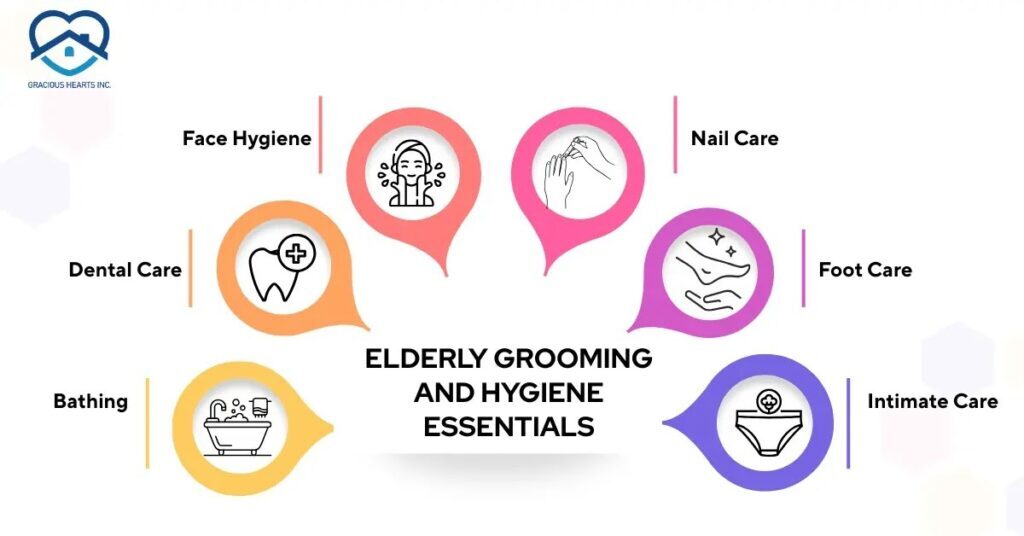
Maintaining consistent hygiene habits can prevent avoidable skin and oral infections in older adults.
1. Bathing and Showering
Regular bathing removes sweat, bacteria, and dead skin.
For most seniors, 2 – 3 baths per week suffice, with daily sponge cleaning of the face, underarms, and perineal area.
Safety measures, grab bars, non-slip mats, and shower chairs reduce fall risk (CDC). Wash from cleanest to dirtiest areas, rinse thoroughly, and pat dry.
For those with mobility or cognitive limitations, sponge baths or no-rinse cleansers are effective alternatives.
Maintain privacy, keep essentials within reach, and explain steps to ensure comfort and dignity.
2. Oral Hygiene and Dental Care
Oral health is vital for nutrition, heart health, and overall well-being.
Daily brushing with a soft or electric toothbrush, cleaning dentures, and gentle care of gums, tongue, and cheeks are essential.
Floss or interdental brushes aid hygiene, and professional dental checkups every 6 – 12 months are recommended.
Poor oral care in older adults is linked to malnutrition, pneumonia, and cardiovascular issues.
Gracious Hearts caregivers assist with brushing, denture care, and gum health, helping prevent infections and support overall nutrition and well-being.
3. Hand and Face Hygiene
Frequent hand and face washing significantly supports health.
Hands should be washed with warm water and mild soap for at least 20 seconds before meals, after toileting, and after touching shared surfaces.
Daily gentle cleansing of the face and neck with lukewarm water and mild cleanser prevents oil buildup, bacteria, and irritation.
4. Hair and Nail Care
Shampoo hair 1 – 2 times weekly and brush daily.
Try to maintain the nail care routine religiously. Trim fingernails weekly and toenails monthly. Use easy-grip or electric tools for safety.
Seek professional care for thickened or fungal nails, especially in diabetes or circulation issues.
5. Skin Care
Aging skin is thinner and drier, increasing susceptibility to tears, irritation, and infection.
Use mild, fragrance-free cleansers with warm water, and moisturize daily after bathing.
Regularly check for redness, rashes, or pressure sores, and protect skin with loose clothing.
6. Foot Care
Wash and dry feet daily, apply moisturizer to heels and soles, and inspect for cuts, blisters, or swelling.
Wear supportive, well-fitting shoes with non-slip soles, and seek professional podiatry care for nail and callus management as needed.
7. Intimate and Incontinence Care
Clean the genital and anal areas gently after each toileting, wiping front to back.
Manage incontinence with absorbent products, prompt garment changes, and barrier creams.
Ensure proper ventilation, hydration, and frequent cleansing, while preserving privacy, dignity, and clear communication.
Personal Hygiene Care Products for the Elderly
Here’s a comprehensive guide to products that are highly rated, widely recommended, and loved by caregivers and seniors alike.
1. Mild Soaps and Cleansers (pH-Balanced & Non-Irritating)
Gentle cleansers that balance pH, prevent dryness, irritation, and skin infections common in older adults.
You can use Cetaphil Gentle Skin Cleanser. This one is dermatologist-recommended, fragrance-free, and ideal for sensitive skin.
2. No-Rinse Shampoos and Body Cleansers
Ideal for seniors with limited mobility or bedridden care, no-rinse shampoos and body washes allow for effective cleansing without water.
Options like Scrubzz Rinse-Free Foaming Body Cleanser are widely recommended for ease of use and safety.
3. Moisturizing Lotions and Barrier Creams
Hydration is essential for aging skin to prevent dryness, irritation, and breakdown.
Barrier creams like SECURA Protective Cream contain zinc oxide, aloe, and vitamin E can help protect skin from moisture-related damage while keeping it soft.
4. Incontinence Pads and Adult Diapers
Super-absorbent pads or adult diapers that provide comfort, secure fit, and high absorbency are highly recommended, especially for moderate to heavy incontinence needs.
Choices such as Depend Night-Defense Adult Diapers are breathable and skin-friendly.
How to Take Care of Personal Hygiene for Seniors
Maintaining personal hygiene is crucial for seniors to promote physical health, emotional well-being, and independence.
1. Establish a Calm, Private Environment
Creating a calm, private environment supports seniors’ comfort during hygiene routines.
Minimize noise and interruptions, ensure privacy with curtains or screens, and maintain a comfortable room temperature to prevent chills or overheating.
Gracious Hearts Inc. caregivers develop individualized care schedules, provide step-by-step assistance, and use adaptive tools to encourage independence while ensuring hygiene tasks are completed safely and efficiently
2. Follow a Predictable Routine
Consistent hygiene routines reduce anxiety and promote security for seniors.
Establish regular schedules, use visual reminders like calendars or checklists, and incorporate the senior’s preferences whenever possible.
3. Offer Step-by-Step Help Without Rushing
Assisting seniors with hygiene requires patience and respect.
Offer clear, step-by-step guidance, encourage them to perform tasks they can manage, and allow extra time for completion.
4. Use Warm Water and Soft Towels
Gentle hygiene practices prevent discomfort and skin irritation.
Use comfortably warm water, soft washcloths and towels, and pat the skin dry rather than rubbing to protect skin integrity.
5. Encourage Participation to Promote Independence
Empowering seniors promotes independence and confidence.
Adapt tasks to their abilities, provide assistive devices if needed, acknowledge their efforts, and offer choices in their hygiene routine whenever possible.
FAQs
1. What is personal hygiene care for the elderly?
Personal hygiene care for the elderly refers to the daily practices that maintain cleanliness, health, and dignity, including bathing, oral care, grooming, nail and hair care, toileting assistance, and skin care. Proper hygiene reduces infections, promotes comfort, and supports mental and social well-being.
2. How often should elderly individuals bathe?
Most seniors benefit from bathing or showering 2-3 times per week, based on their activity level and skin condition. Daily face, hand, and intimate hygiene is recommended, with gentle cleansers to prevent dryness and irritation.
3. What are the best personal hygiene practices for seniors?
Essential hygiene practices include,
- Daily face and hand washing
- Regular brushing and flossing of teeth
- Hair care, including gentle washing and combing
- Nail trimming and foot care to prevent infections
- Using deodorants and moisturizing skin
- Changing into clean clothes daily
4. What products are safe for elderly personal hygiene?
Seniors should use mild, fragrance-free soaps and shampoos, moisturizing creams, gentle toothbrushes, and non-slip bath mats. Avoid harsh chemicals or products that irritate sensitive skin. Products designed for older adults help maintain skin integrity and comfort.
5. How can hygiene prevent health problems in the elderly?
Good hygiene prevents skin infections, urinary tract infections, gum disease, and fungal infections. It also reduces the spread of germs, helps manage chronic conditions like diabetes, and supports overall physical and mental health.
6. Can professional caregivers help with senior hygiene?
Yes, services like Gracious Hearts Inc. provide trained caregivers who assist with bathing, grooming, oral care, and incontinence management while maintaining dignity, safety, and independence. Their compassionate approach helps families reduce stress while ensuring seniors’ hygiene needs are met consistently.
Conclusion
Regular attention to bathing, oral care, grooming, and skin health prevents infections and other medical complications.
With the right tools, structured care plans, and a compassionate approach, seniors can maintain independence, confidence, and a high quality of life.
Families and caregivers play a critical role in making hygiene a priority.
By approaching hygiene thoughtfully and consistently, caregivers can ensure that seniors feel respected, safe, and empowered every day.
