How to Get Elderly Haircuts at Home: Simple Guides
For seniors with mobility issues or dementia, a routine trip to the salon can feel overwhelming, stressful, and unsafe.
This makes elderly haircuts at home not just convenient, but essential for comfort.
Caregivers can often simplify the process by cutting elderly hair at home using simple tools, creating a safe setup, and choosing low-maintenance cuts.
Trim clean, dry hair with scissors, clippers, or thinning shears. Support mobility with a stable chair and good lighting, and opt for soft layers or short, even trims to make daily care easier.
This guide brings together step-by-step instructions, preparation checklists, safe-cutting techniques, dementia-friendly tips, low-maintenance hairstyle ideas, and trusted mobile stylist options.
Therefore, let’s get started!

How to Prepare a Senior for an At-Home Haircut
These steps help caregivers and health professionals create a calm environment, support mobility, and reduce stress for seniors, aligning with best practices on how to care for the elderly.
1. Set Up the Environment
Make sure the lighting is bright and even so you can see the hair and scalp clearly. Clear all clutter to create a safe, open workspace.
Use a stable chair with back support and armrests. Place a non-slip mat under the chair if the floor is slippery.
2. Help Calm Anxious Seniors
To help calm anxious seniors, keep the same routine each visit. Explain every step in a clear and gentle way.
Use soft lighting and quiet surroundings to reduce stress. Offer emotional comfort by speaking calmly or letting them hold a familiar object.
3. Ensure Safe Mobility & Positioning
Help the senior into the chair with proper support. Ensure there is enough space to move safely.
Use adaptive grooming tools if they have limited dexterity. Adjust their position for comfort, using pillows or cushions to improve posture.
Essential Tools for Elderly Haircuts at Home
Choosing the right tools ensures both safe and comfortable at-home haircuts for seniors.
- Clippers / Trimmer
- Scissors
- Thinning Shears
- Spray Bottle
- Cape or Towel
- Neck Brush
Step-by-Step Guide to Giving Elderly Haircuts at Home
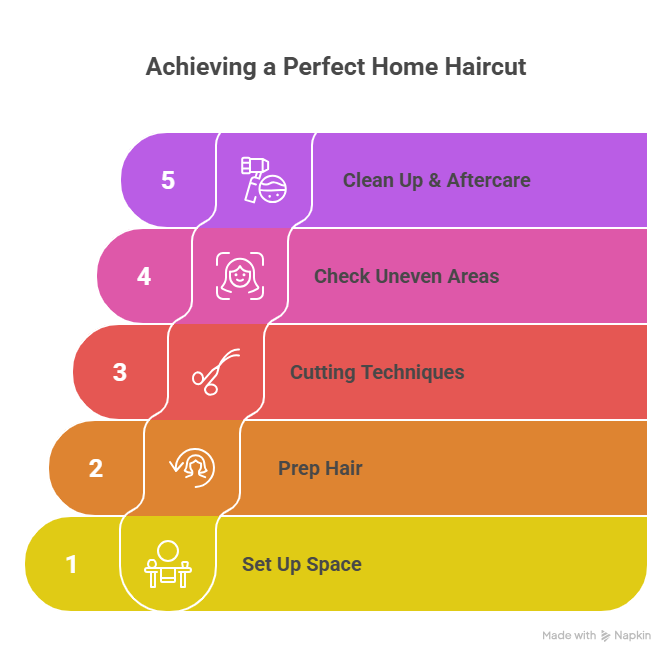
This step-by-step guide helps caregivers and health professionals manage the process efficiently.
Step 1: Set Up the Space
Pick a quiet room with no distractions. Make sure the lighting is bright and even.
Ensure the floor is non-slip and clear of obstacles. Use a stable chair with back support and armrests.
Provide neck support with a pillow or rolled towel for comfort.
Step 2: Prep the Hair
Gently detangle hair with a wide-tooth comb to avoid pulling. Decide whether to wash or lightly mist the hair for easier handling
Notice fragile or thinning areas and handle them carefully while cutting.
Step 3: Beginner-Friendly Cutting Techniques
Use scissor-over-comb to lift small sections and trim slowly. Start clippers with a long guard to avoid cutting too short.
Trim ends carefully, especially on fine or thinning hair. Use thinning shears to reduce bulk and blend hair smoothly.
Step 4: Check for Uneven Areas
Step back and check from all angles. Use mirrors for the back and sides if needed.
Make small adjustments to fix uneven spots. Ensure hair is even and smooth.
Step 5: Clean-Up & Aftercare
Brush loose hair from the neck, clothes, and chair. Check the scalp for irritation or tenderness.
Apply a light moisturizer or leave-in conditioner for dry or thinning hair. Clean and sanitize all tools after the haircut.
Best Hairstyles for Elderly Haircuts at Home
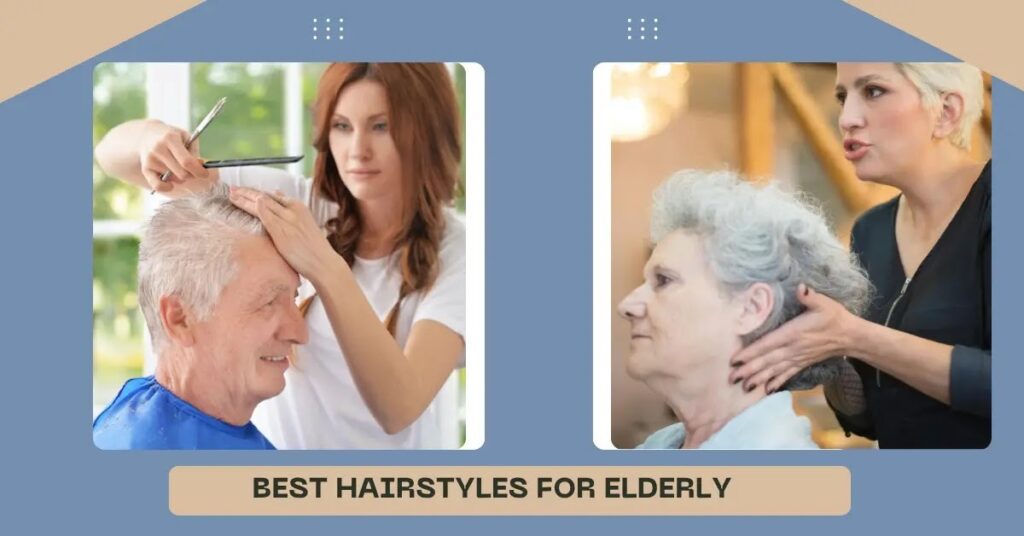
Here are some gentle, low-maintenance styles that are easy to do at home.
For Women
| Hair Length | Style |
| Short | Pixie CutTapered CutBuzz Trim |
| Medium | Classic BobLayered Bob |
| Long | Straight TrimSoft Layers for Thinning Hair |
For Men
- Crew Cut
- Simple Taper
- Basic Scissor Cut
Special Considerations for Seniors With Dementia or Disabilities
Use a gentle, patient, and structured approach to make each haircut a positive experience.
1. Gentle Approach & Slow Movements
Speak softly and move slowly, explaining each action before you do it.
Touch their hand gently or guide them with hand-under-hand techniques so they feel involved.
If they talk about memories or get confused, respond with reassurance, not correction.
2. Managing Sensory Issues (Sound, Touch, Temperature)
Minimize sensory overload: use soft lighting, turn off loud devices, and limit background noise.
Test the water temperature (if washing) to make sure it’s comfortable. Too hot or too cold can upset someone with dementia.
Keep familiar scents or products if possible. Using a favorite shampoo or styling product can calm and reassure.
Hygiene & Sanitation for Elderly Haircuts at Home
Good hygiene during at-home haircuts helps prevent infections and ensures a safe, comfortable grooming experience.
Cleaning Tools Before and After Use
Remove all hair and debris from scissors, combs, clippers, and other tools using soap and water first.
For non-electric tools (combs, shears), soak them in a disinfectant solution (Barbicide) for at least 10 minutes.
For electric tools, use a disinfectant spray specifically designed for blades, then let them air dry thoroughly.
After disinfection, dry tools completely before storing to avoid rust or corrosion.
Store clean tools in a clean, dry, and sealed container (or UV‑sterilizer if available) to prevent recontamination.
Infection Prevention Basics
Always wash your hands before and after giving a haircut. This simple step is one of the most effective ways to prevent infection.
Use EPA-registered disinfectants that are bactericidal, virucidal, and fungicidal, especially if you suspect skin issues.
Wear gloves and, if needed, a mask when disinfecting tools, especially if dealing with chemical solutions.
Scalp Issues to Watch For
- Sores or open wounds
- Fungal infections (e.g., ringworm)
- Lice
- Dry or flaky scalp
Professional Options for Elderly Haircuts at Home
For seniors who find it difficult or unsafe to travel to a salon, hiring a professional for in-home haircuts offers a safe, convenient, and dignified solution.
Licensed mobile stylists, barbers, and senior-focused professionals provide salon-quality services directly in the home.
Typical pricing for in-home haircuts ranges from $45- $70 for a basic trim, while services like shampooing, styling, or color may cost $90 – $200, based on the region and stylist’s experience.
For families who want peace of mind, Gracious Hearts Inc. provides compassionate in-home senior care and grooming.
They make sure every haircut is safe, comfortable, and dignified for senior people, like the services in salons.
How Mobile Hairdressers for Seniors Work
1. Booking & Scheduling: Most platforms allow caregivers to browse available stylists, select professionals, choose services, and book appointments online.
2. Equipment & Setup: Stylists bring clippers, scissors, combs, portable basins, and dryers. They also adapt the setup to the senior’s mobility with chairs or wheelchairs safely.
3. Sanitation Protocols: Tools are disinfected before and after each visit. High hygiene standards help prevent infections and ensure a safe experience.
4. Workflow & Communication: Stylists check comfort levels, adjust pace, and work patiently with each senior.
Senior-Focused Hair Services (Dementia, Alzheimer’s, Special Needs)
Some mobile stylists specialize in seniors with cognitive or physical challenges.
Some seniors may be mostly bedbound, in which case learning how to wash a bedridden person’s hair safely can help maintain hygiene and comfort before a haircut.
1. Sensory Awareness: Minimizing noise, bright lights, and other sensory triggers.
2. Gentle Communication: Clear instructions delivered slowly and repeated if needed.
3. Consistent Routines: Maintaining the same order of wash, cut, and style to reduce anxiety.
Where to Find Qualified Mobile Stylists
Caregivers and health professionals can locate reputable services through.
1. DashStylists: Nationwide platform connecting seniors with licensed stylists for home or senior-community visits.
2. Gracious Hearts Inc.: A compassionate, trusted senior care provider that offers in-home grooming and hairstyling services. Their team understands the unique needs of older adults, especially those with mobility or cognitive challenges.
Costs of Elderly Haircuts at Home
Home-visit haircut services for seniors are usually more expensive than a simple trip to the salon.
Price Range
- Many in‑home stylists charge around $45 – $70 for a basic haircut, based on whether shampoo is included.
- Some full-service mobile haircare providers for seniors quote $100 – $110 for a wash, cut, and style.
How to Choose the Right In‑Home Stylist for an Elderly Family Member
Here’s what to look for to find someone who truly understands and cares.
1. Confirm Licensing, Insurance & Training
Ask whether the stylist is a licensed cosmetologist or barber.
Check for liability insurance. Good mobile stylists should carry public liability and professional indemnity cover.
Inquire about experience working with seniors or special needs clients.
Stylists who specialize in home‑visit care often undergo additional training to handle mobility or cognitive challenges.
2. Key Questions to Ask Before Booking
- “Have you worked with older adults before?”
- “Do you bring all your own equipment, including portable basins if needed?”
- “Can you describe your process and how long a typical in-home cut takes?”
- “What hygiene practices do you follow (tool cleaning, sanitation)?”
3. Assess Reviews & Senior‑Care Experience
Look for stylists on trusted platforms that list licenses and client reviews.
Ask for references from other seniors or caregivers. A stylist who regularly works in senior living communities or with homebound clients will likely have strong testimonials.
Why Elderly Haircuts at Home Are Becoming Essential
Understanding the challenges helps caregivers and health professionals provide safe, comfortable, and dignified grooming.
1. Mobility Challenges and Fall Risks
According to the A Place to Thrive: Creating Opportunities to Age Well in North Carolina (2023), up to 50% of older adults experience mobility limitations, which increases the risk of falls.
The leading cause of injury, hospitalization, and loss of independence in this population.
In-home haircuts reduce the need for risky travel and keep seniors safe while maintaining their personal care routines.
2. Transportation Barriers
Many seniors no longer drive, and access to reliable public transportation can be limited.
Even short trips to a salon may become exhausting, stressful, or unsafe.
3. Growing Homebound Population
According to Epidemiology of the Homebound Population, about 5.6% of adults age 65 and older are mostly or completely homebound.
It highlights the growing need for in-home services.
4. Aging in Place and Dignity
The preference for aging in place is rising. Seniors want to remain in their homes safely while maintaining independence and quality of life.
In-home grooming services lower fall risk and reduce travel stress. They support daily comfort and hygiene.
They also help seniors maintain dignity and self-esteem.
FAQs
1. How often should elderly people get haircuts?
Most seniors benefit from a trim every 4 – 6 weeks to maintain manageable hair, prevent tangling, and support scalp health.
2. Are at-home haircuts safe for seniors?
Yes, at-home haircuts are safe for seniors when proper precautions are taken. Ensure stable seating, good lighting, sanitation of tools, and caregiver support.
3. How do I cut hair for a senior with thin hair?
Use light, layered cuts to create volume and avoid thinning shears excessively. Cut small sections at a time and avoid pulling on fragile strands.
4. What’s the easiest haircut for seniors at home?
Short, low-maintenance styles like pixies, tapered cuts, bobs, or buzz trims are easiest. These require minimal daily styling and are simple to trim between appointments.
5. How do I cut hair for a senior who can’t sit still?
- Break the session into short, manageable steps.
- Use gentle guidance and calming cues.
- Consider professional mobile stylists.
6. How do I cut men’s hair at home?
- Use short, simple cuts like crew cuts, taper cuts, or scissor-over-comb styles.
- Clippers with guards are helpful for uniform length.
In Summary
Elderly haircuts at home provide seniors with comfort, safety, and dignity while addressing mobility and cognitive challenges.
Whether using a professional mobile stylist or a careful at-home approach, proper preparation, hygiene, and gentle techniques are essential.
Choosing low-maintenance styles, adapting to thinning hair, and considering sensory or special needs ensures a stress-free experience.
With the right tools, environment, and guidance, caregivers and health professionals can help seniors look and feel their best without leaving home.
Whether you choose to give a loved one a haircut at home or prefer professional help, trusted agencies like Gracious Hearts Inc. can make the experience safe, comfortable, and stress-free.