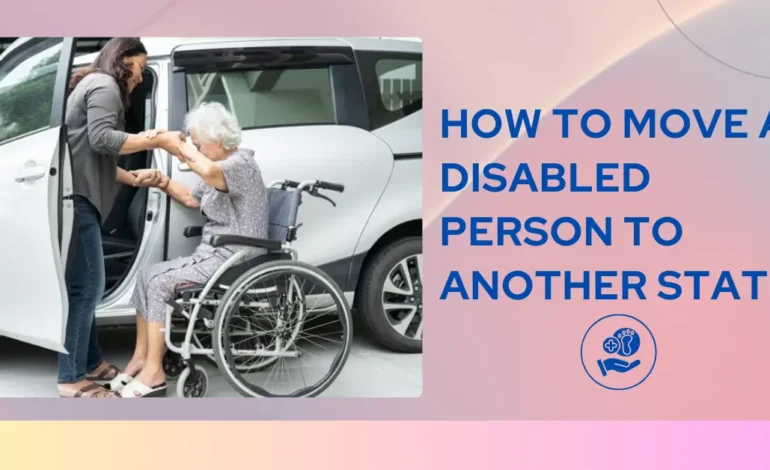
How to Move a Disabled Person to Another State: Step-by-Step Guide
More than 61 million adults in the U.S. live with a disability. For many of them, moving to another state becomes necessary.
Understanding how to move a disabled person to another state is critical because healthcare benefits, medical services, and legal protections do not automatically transfer across state lines.
Moving a disabled person to another state requires careful planning. You need to arrange safe medical transport between states.
Make sure all medical records are secured and transferred. Prepare accessible housing in advance.
Some families may need an air ambulance for high-level care. Others may choose a medical escort flight for added support.
Wheelchair-accessible ground transport is also an option for safer local travel. Each choice offers a different level of care and safety.
Medical providers, insurance agencies, and disability support services should ideally be aligned 30 – 60 days in advance to prevent interruptions in treatment, delayed Medicaid approval, or loss of in-home support.
This guide covers every essential step, from planning and legal considerations to healthcare continuity, transportation options, and housing logistics.
Therefore, let’s get started!
Planning the Move in Advance
Ideally, planning should begin at least 30 – 60 days in advance, and in complex medical or guardianship cases, even earlier.
1. It prevents gaps in medical care
Doctors, specialists, therapists, pharmacies, and medical equipment providers all need time to coordinate.
Planning early allows you to secure new providers, transfer medical records, arrange prescription refills, and confirm that treatments continue without interruption.
2. It allows benefits and insurance to transition smoothly
Programs like Medicaid, SSI, SNAP, and state disability services are state-specific.
Starting early gives you time to research eligibility rules, submit applications, and prepare for approval timelines.
3. It gives you realistic transportation options
Wheelchair-accessible vehicles, ambulettes, medical escort flights, and air ambulances are not always available on short notice.
Early scheduling ensures you can choose the safest and most appropriate transport based on medical and mobility needs, not availability pressure.
4. It ensures accessible housing is ready before arrival
Early planning allows time to confirm doorway widths, bathroom layouts, entry access, and safety features, so the new home supports independence from day one.
5. It reduces emotional and caregiver stress
Caregivers are often managing paperwork, medical coordination, and emotional support simultaneously.
How to Build a Practical Moving Timeline
A clear timeline keeps every part of the relocation aligned:
- 30 – 60 days before the move
Notify healthcare providers, begin benefit transfer research, request medical records, explore housing options, and contact transportation providers.
- 3 – 4 weeks before the move
Confirm new doctors, submit Medicaid or benefit applications, finalize housing, schedule transport, and arrange caregiver support if needed.
- 1 – 2 weeks before the move
Prepare medications, mobility aids, medical documents, emergency contacts, and a transition care plan for arrival.
Financial & Benefits Considerations
At a high level, benefits fall into two categories: federal programs that remain intact and state-administered programs that must be reset after relocation.
Understanding Social Security Benefits (SSI vs. SSDI)
Social Security benefits are federally administered, but not all benefits respond the same way to a change in state.
SSDI: Stable Across States
Social Security Disability Insurance (SSDI) is based on your work history and does not change when you move.
Your monthly payments stay the same, and your Medicare eligibility is not affected.
You still need to inform the Social Security Administration (SSA) of your new address to avoid delays.
SSDI recipients can move between states without losing benefits, but it’s important to keep the SSA updated.
SSI: Location-Sensitive
Supplemental Security Income (SSI) is based on need and can be affected by state rules.
The federal base rate is the same across the U.S., but many states offer additional SSI supplements.
Payment amounts may go up, down, or stay the same depending on the state you move to.
Some states manage their own supplements, while others use the Social Security Administration, which can affect how quickly payments adjust after a move.
Plan for SSI recalculations within the first one or two payment cycles after relocating.
Medicaid: The Most Critical Transition
When you move, Medicaid does not transfer to the new state. You must submit a new application, and coverage in your old state usually ends once you change residency.
Each state sets its own income and asset limits, covered services, and rules for disability waivers or waitlists.
This is especially important for people who rely on in-home caregivers, long-term services, or specialized disability programs.
The best practice is to apply for Medicaid in your new state before or immediately after moving and keep your current coverage until the new eligibility is confirmed.
Other State-Specific Assistance Programs
Besides Medicaid and Social Security, many disabled individuals use other support programs that need to be restarted after moving.
These can include SNAP (food assistance), state disability or rehabilitation services, in-home support programs, and housing help like Section 8.
In some cases, relocation planning may also involve exploring how to find a care home for elderly adults when independent or in-home living is no longer the safest option.
Legal & Guardianship Considerations: How to Move a Disabled Person to Another State?
For individuals under guardianship or conservatorship, failing to follow proper procedures can disrupt care, violate legal authority, or even jeopardize guardianship status.
A guardian has the legal responsibility to make major life decisions for a ward, including where they live.
Because guardianship is state-specific, it does not automatically transfer across state lines.
Most states follow the Uniform Adult Guardianship and Protective Proceedings Jurisdiction Act (UAGPPJA), which provides a framework for relocating a ward legally.
Do You Need Court Permission?
Yes. Most states require court authorization before relocating a ward out of state. Courts focus on protecting the ward’s welfare, ensuring that relocation does not disrupt:
- Medical care or therapy schedules
- Housing stability and accessibility
- In-home or community support services
Even temporary moves may require formal notification or approval. Ignoring this step can lead to legal complications or delays in service.
Step-by-Step Guardianship Transfer Process
While details vary by state, the process generally follows these steps:
1. File a Petition in the Original State: Request court approval to transfer guardianship to the new state. Include detailed relocation plans.
2. Notify Interested Parties: Inform the ward (if able), family members, and relevant agencies. Courts require transparency to ensure no objections arise.
3. Court Review or Hearing: The court evaluates whether the move is in the ward’s best interests. Consider care arrangements, housing, and support services.
4. Provisional Transfer Order: If approved, the court issues a temporary order to start guardianship recognition in the new state.
5. File in the New State: Submit the court order and supporting documentation to the destination state. The new state may confirm or formally establish guardianship.
6. Finalize Transfer: After the new state acknowledges jurisdiction, the original court closes its case, and guardianship continues seamlessly in the new location.
Court Considerations and Criteria
Courts evaluate,
- Intent to permanently relocate
- Best interests of the ward
- Objections from family or stakeholders
- Comprehensive care plans
When Full Transfer May Not Be Required
Some short-term or reversible moves may not require full guardianship transfer.
However, always verify with an attorney or court, as assumptions can lead to legal and care complications.
Healthcare & Medical Support
By taking a structured approach, you reduce the risk of missed appointments, treatment delays, and unnecessary stress for both the individual and caregivers.
This is also the right time to evaluate how to hire caregivers in the new state to ensure consistent personal care and medical support after the move.
1. Finding New Doctors and Specialists
A successful medical transition begins with identifying qualified healthcare providers in the new state. Here is the step-by-step process,
1. Start with your current providers: Ask for referrals or recommendations. Doctors often know trusted colleagues in other states.
2. Confirm insurance compatibility: Ensure all new providers accept your plan, private insurance, Medicaid, or Medicare.
3. Schedule early appointments: Book initial visits for the first weeks after relocation to maintain continuity of care.
4. Centralize medical records: Collect past lab results, imaging, therapy notes, and prescriptions in both digital and physical formats to share with new providers.
2. Insurance Coverage and Care Plan Continuity
Health insurance is a cornerstone of safe relocation.
Medicaid must be reapplied for in the new state. Do not cancel existing coverage until the new plan is approved.
Medicare stays valid nationwide, but check provider acceptance in the new area.
Private Insurance confirms network availability, co-pays, and coverage of therapies or medical equipment.
Disability Services & Local Resources
Local support networks and disability services help individuals thrive in their new environment.
1. State Departments of Rehabilitation
State Departments of Rehabilitation provide vocational programs, assistive technology, and resources for independent living.
They can also guide you on local services and help determine eligibility for state support.
To get started, visit your state’s Department of Rehabilitation website or call to schedule an intake appointment.
2. National and Local Disability Organizations
The Arc has local chapters offering advocacy, education, and community programs.
Easterseals provides accessible transportation, early intervention, caregiver support, and help with employment.
Volunteers of America can assist with housing, case management, and emergency support.
A helpful tip is to contact local chapters before moving to set up resources in advance.
3. Community Resources That Make a Difference
Area Agencies on Aging (AAA) provide support for older adults and their caregivers.
The 211 Helpline connects people to local services, including housing, medical help, and transportation.
Independent Living Centers offer peer support, advocacy, and resources to help seniors and people with disabilities live independently.
Transportation & Moving Options
Planning the right transportation is critical for a smooth and secure relocation.
1. Non-Emergency Medical Transport (NEMT)
NEMT services are designed for individuals who need medical support during transit but do not require emergency care.
Vehicles are often ADA-compliant, equipped with wheelchair lifts, secure tie-downs, and trained personnel to assist with boarding, seating, and mobility.
Best for: Planned long-distance moves, recurring medical appointments
2. Wheelchair-Accessible Vehicles & Ambulettes
For people who cannot safely get out of a wheelchair, ambulettes and wheelchair-accessible vans are very helpful.
They provide door-to-door assistance and caregiver support. The vehicles have spacious interiors for mobility equipment and companion seating.
They also offer smooth and secure rides, whether for short trips or longer distances.
3. Stretcher & Specialized Medical Transport
If someone needs to stay lying down during travel, stretcher transport is available.
These vehicles have proper restraint systems and medical-grade safety features.
Trained staff assist with boarding and provide care during the trip. Stretcher transport can also accommodate long-distance travel.
4. Long-Distance Medical Transport
For long interstate moves, medical transport makes travel safer and more comfortable.
It provides wheelchair or stretcher access for the entire trip. The service coordinates with caregivers, doctors, and local support.
Vehicles are climate-controlled and equipped with medical supplies to meet patient needs.
5. Other Transportation Options
Paratransit services provide ADA-compliant, door-to-door public transit for short trips.
Accessible ride-sharing, like Uber WAV or Lyft WAV in select cities, offers short, wheelchair-friendly rides.
For longer trips, families can use RVs or custom long-distance vehicles for more flexibility and personalized support.
6. Cost Estimates & Planning Tips
Short local NEMT trips usually cost between $100 and $500, while long-distance wheelchair or stretcher transport can range from $500 to over $3,000.
Additional services, like a caregiver traveling with the patient, oxygen support, or extra stops, may increase the cost.
To plan, compare multiple providers, and ask for written quotes.
Check your insurance coverage, especially Medicaid NEMT eligibility.
For long-distance or specialized transport, schedule 30 – 60 days in advance.
FAQs
1. Is it difficult to transfer disability benefits to another state?
Transferring benefits like SSI, SSDI, or Medicaid requires careful planning. SSDI payments remain consistent nationwide, but SSI may vary due to state supplements. Medicaid coverage is state-specific, so you must apply in the new state before canceling the old coverage to avoid service gaps.
2. How do I find affordable transportation for a long-distance move?
Options include Non-Emergency Medical Transport (NEMT), wheelchair-accessible vans, ambulettes, and specialized long-distance medical vehicles. Costs vary by distance, type of vehicle, and level of care needed. Booking 30 – 60 days in advance and checking insurance coverage can help reduce costs.
3. Do I need legal permission to move a ward under guardianship?
Yes. If the person is under legal guardianship, you must petition the court in both the current and new state. Some states may require reestablishing guardianship. Consulting a special needs attorney ensures compliance with local laws and avoids legal complications.
4. How do I secure accessible housing in a new state?
Start early using HUD and AccessibleHousing.gov search tools, local disability advocacy groups, and Section 8 housing programs. Check for essential accessibility features, and confirm landlord acceptance of housing assistance. Community resources like 211.org can help locate available housing options.
5. What medical documents should I bring to the new state?
Organize a centralized medical file, including:
- Primary and specialist doctor contacts
- Medication lists and dosing instructions
- Recent lab results and imaging
- Therapy notes and equipment prescriptions
- Bring both digital and physical copies to ensure smooth continuity of care.
Conclusion
Relocating a disabled person to another state is a complex journey that goes far beyond packing boxes.
It requires careful planning, financial coordination, legal compliance, accessible housing, reliable medical support, and specialized transportation.
By planning ahead, you can make the move much easier. Take time to find new healthcare providers early. Apply for Medicaid and SSI benefits as soon as possible.
Arrange NEMT or wheelchair-accessible transportation in advance. Reach out to local disability support services for help
Remember, early planning and backup options are essential. Start by looking for accessible housing and using help programs like Section 8 or 211.org.
Next, arrange caregivers and plan transportation. Each step helps create a safe, stable, and supportive living environment.
With the right resources, professional guidance, and thorough preparation, you can turn relocation into an empowering, manageable, and positive experience.
Best of luck!
