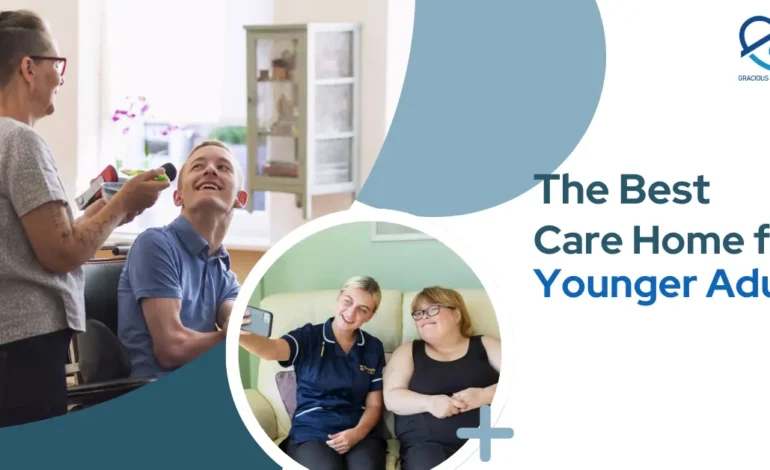
Care Home for Younger Adults: Complete Guide
What do you do when someone under 65 needs round-the-clock care, but doesn’t fit into a traditional nursing home?
A care home for younger adults provides specialist 24-hour residential support for individuals aged 18 to 65 with physical disabilities, learning disabilities, brain injuries, or mental health conditions.
These homes offer personal care, medication management, rehabilitation support, and structured daily activities designed to promote independence and improve quality of life.
Instead of focusing solely on age-related decline, they prioritize rehabilitation, independent living skills, vocational opportunities, and meaningful social engagement.
In this guide, you’ll learn who qualifies for a care home for younger adults, the different types of residential care available, how eligibility assessments work, cost and funding options, and how to choose the right facility with confidence.
Therefore, let’s get started!
Who Needs a Care Home for Younger Adults?
Below are the primary groups who may benefit from this specialized environment.
1. Individuals With Physical Disabilities
People with physical disabilities may have long-term mobility impairments, loss of function, or sensory limitations that make daily living tasks difficult without assistance.
2. People With Learning Disabilities
Learning disabilities affect how someone understands or processes information, communicates, or manages daily tasks.
3. Adults on the Autism Spectrum
Many autistic adults benefit from stable, predictable environments where their sensory, communication, and social needs are understood and respected.
4. People With Acquired Brain Injuries
Acquired brain injuries (ABI), including traumatic brain injury, can result in physical challenges, cognitive changes, memory difficulties, or emotional instability.
5. Individuals With Neurological Conditions (e.g., MS, Epilepsy)
Neurological conditions like multiple sclerosis (MS), epilepsy, or Parkinson’s can require complex care and monitoring that isn’t easily managed at home.
6. People With Complex Mental Health Needs
Ongoing mental health challenges, including anxiety disorders, depression, or behavioural conditions, can make independent living unsafe or overwhelming.
7. Substance Recovery and Trauma Recovery Cases
Residential support can also be vital for young adults recovering from substance dependence or psychological trauma.
Types of Care Homes for Younger Adults
Here are the main types of care homes for younger adults:
1. Small Option Homes (3 – 4 Residents)
Small-option homes are residential settings where just a few adults live together with ongoing support from trained staff.
Smaller groups reduce stress, improve predictability, and let caregivers provide highly personalized care.
Key features
- Individualized life-skills coaching
- Personalized support plans
- Flexible daily routines tailored to each resident
- Safe community integration activities
2. Group Homes and Supported Living
Group homes are shared living environments where several individuals live together with ongoing staff support to help with daily activities, personal care, and community engagement.
Residents can build friendships, participate in group activities, and learn practical skills like budgeting, meal planning, and using public transportation.
Key features
- Shared living space with support staff
- Community involvement and outings
- Support for social, vocational, and life skills
- Flexible levels of supervision based on individual needs
3. Assisted Living for Younger Adults
Assisted living sits between fully supported residential care and independent living. Residents live in a community setting where they receive help with everyday tasks, such as bathing, medication management, meals, and mobility.
This model is ideal for younger adults who can manage some independent living but need regular support for safety and well-being.
Key features
- Personal care services
- Coordination with healthcare professionals
- Structured activities and wellness programs
- Individualized support plans
Gracious Hearts Inc. provide regular health monitoring and medical check-ins to keep residents well.
Nutritious, resident-focused meals support dietary needs and overall health. Organized social and recreational activities help build community and emotional well-being.
24/7 emergency response ensures immediate assistance whenever needed, giving peace of mind to residents and families.
4. Under-65 Long-Term Care Units
These under-65 units are staffed around the clock and provide intensive medical and personal care.
Traditional long-term care has historically focused on older populations. Under-65 units aim to offer equivalent clinical support while integrating age-appropriate activities, rehabilitation services and peer engagement.
Key features
- 24/7 nursing and clinical care
- Rehabilitation and therapy services
- Age-appropriate recreational and social programs
- Support plans targeting independence and quality of life
Services Offered in a Care Home for Younger Adults
Below are the core services you can expect in a high-quality specialist residential setting.
1. 24/7 Personal Care
Trained staff assist residents with essential tasks like bathing, dressing, grooming, toileting, and mobility.
This kind of personalized daily support helps individuals maintain routines and stay safe, especially when their needs cannot be met through home care alone.
In homes supported by Gracious Hearts Inc., caregivers deliver this personal care with a focus on dignity and comfort,
2. Medication Management
Care homes oversee the safe handling of medications, including reminders, administration, storage, and monitoring for effectiveness or side effects. This service reduces risk, supports health stability, and ensures consistency with clinical recommendations.
3. Occupational Therapy (OT)
e. OT in care homes focuses on functional routines (like personal care, meal preparation, household tasks), and adaptive strategies so individuals can participate more fully in life.
4. Speech Therapy
Speech and language therapy supports communication, swallowing, cognition, and social interaction. A speech therapist assesses needs, develops tailored strategies, and works to improve residents’ ability to express themselves and engage with others.
5. Physical Rehabilitation
A physical therapist may work on a range of motion, balance, gait training, and exercise routines that support long-term function.
6. Social Activities
Residents take part in games, arts and crafts, group outings, hobbies, fitness sessions, and themed social events.
7. Community Integration
Community integration helps build social confidence, strengthens independence, and connects individuals with local support networks.
8. Behavioural Support
Many younger adults in residential care need strategies to manage behaviours associated with anxiety, trauma histories, autism, or other behavioural health challenges. Behaviour support specialists help create positive behaviour support (PBS) plans, teach coping skills, and train staff in consistent, trauma-informed approaches.
Best Care Homes for Young Adults in Arizona

Below are some of the top providers, including what makes them unique, their services, and the benefits residents can expect.
1. Arise Residential Care
Arise Residential Care operates licensed group homes across Arizona for younger adults with intellectual and developmental disabilities (IDD) and autism. They focus on creating safe, home-like environments.
Key Features
- 24/7 trained caregiver support
- Personalized life skills and daily routines assistance
- Community outings and social integration programs
- Health monitoring and medication management
- Recreational and enrichment activities
What You’ll Get
Residents experience consistent supervision, tailored support plans, and opportunities to develop independence while actively participating in community life.
2. New Horizons Center
With over 50 years of experience, New Horizons Center empowers younger adults with lifelong disabilities through residential group homes, independent living programs, and community integration services.
Key Features
- 24/7 staff support in residential group homes
- Independent living skill-building programs
- Employment support and day programs
- Community integration and recreational activities
- Social and enrichment events
What You’ll Get
Residents receive compassionate care that builds confidence, independence, and community connection. Families consistently highlight the staff’s dedication and kindness.
3. Gracious Hearts Inc.
Gracious Hearts Inc. provides assisted living and 24/7 specialized care for younger adults. Their programs combine personal care with therapeutic and social support.
Key Features
- Around-the-clock personal care and supervision
- Medication management and health monitoring
- Occupational, speech, and physical therapy support
- Structured activities for social and cognitive engagement
- Behavioural support with individualized care plans
What You’ll Get
Residents benefit from personalized, compassionate care that balances independence with safety, offering a supportive environment to thrive physically, socially, and emotionally.
4. Absolute Best Care Group Home
Absolute Best Care delivers assisted living with a family-like environment, prioritizes compassionate care and resident wellbeing. Their homes are structured to provide both safety and a sense of community.
Key Features
- Personal care assistance and medication support
- 24/7 supervision
- Recreational, social, and skill-building programs
- Customized, resident-focused care plans
- Emphasis on independence and overall well-being
What You’ll Get
Residents enjoy a safe, nurturing environment where staff deliver attentive care and support daily life while encouraging autonomy and engagement.
5. Abrio Living
Abrio Living offers small, family-style group homes with 24/7 trained staff, emphasizing independence, personal growth, and social inclusion for younger adults.
Key Features
- Full-time caregiver support
- Life skills coaching and vocational guidance
- Individualized care and wellness planning
- Community integration and recreational programs
- Safe, nurturing, home-like environment
What You’ll Get
Residents benefit from personalized attention, structured support, and opportunities to thrive socially and independently in a secure, caring setting.
Cost of a Care Home for Younger Adults
Fees vary by location, services, and support level, and costs can differ significantly between the UK and the US.
United Kingdom
Specialist care homes for younger adults typically charge £600-£1,200 per week for 24/7 personal care and accommodation. In high-cost regions like London or the South East, fees may exceed £1,400 per week, especially for homes with extensive amenities and therapy programs.
United States (Arizona)
Assisted living or residential care, the closest US equivalent, averages $4,700 – $6,300 per month in Arizona, compared with a nationwide average of $4,000 – $7,000 per month.
FAQs
1. At what age qualifies for a care home for younger adults?
In practice, “younger adults” refers to people roughly 18 – 64 years old who require 24/7 support because of disability, injury, or complex health needs. Unlike traditional aged care, which often serves people 65+, younger adults access specialist residential care when their needs can’t be met safely at home.
2. Can younger adults with disabilities live independently instead?
Yes, when support systems are in place, many younger adults with disabilities live independently or in community‑based supported living programs. Decisions are usually made through professional needs assessments that consider daily living skills, safety, and available community supports.
3. How long can someone stay in a care home for younger adults?
There is no fixed time limit for staying in a care home for younger adults. Residents may live there long‑term, for as long as their care needs remain stable or substantial enough that independent living isn’t safe.
4. Are care homes for younger adults regulated?
Yes, in many countries, care homes must be licensed and regulated to ensure safety and quality of care. Regulations cover staffing levels, safety standards, personal support services, health monitoring, and resident rights.
5. Can families visit anytime?
Generally, yes. Care homes are meant to feel like residents’ homes, and providers should support family visits and social contact, enabling visits when residents choose and arranging safe visiting experiences.
Final Thoughts
Choosing the right care home for younger adults is a decision that impacts safety, independence, and quality of life.
With a variety of residential options, from small group homes to assisted living, it’s crucial to research facilities thoroughly, understand the services offered, and compare costs and care quality.
Prioritizing personalized support, community integration, and professional oversight ensures that younger adults receive the care they need while maintaining dignity, independence, and fulfillment.