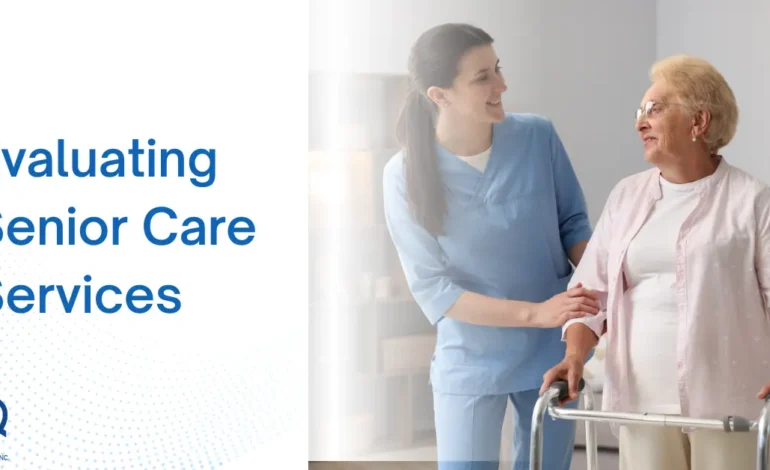
Evaluating Senior Care Services: A Step-by-Step Expert Guide
Did you know the demand for nurse-led home care has surged alongside the growing elderly population?
Evaluating senior care services is critical to ensuring that seniors receive safe, professional care in the comfort of their home.
Nurse-led home care means clinical oversight from trained RNs who manage medications, monitor health, and supervise daily care. Safety and quality cannot be left to chance.
To make informed decisions, evaluate senior care services by using an essential checklist that verifies nurse-led home care qualifications, safety protocols, emergency response times, and regulatory compliance.
This guide provides a comprehensive evaluation framework to help families compare care options, review emergency procedures, assess staff training, and ensure their loved one thrives with safety and dignity at home.
Therefore, let’s get started!
What Is Nurse-Led Home Care?
Nurse-led home care is a specialized in-home care model in which a registered nurse (RN) assumes primary responsibility for managing a senior’s medical needs.
This includes overseeing medications, monitoring vital signs, performing clinical tasks, and coordinating care with doctors and other healthcare professionals.
Unlike standard caregiving, nurse-led care brings professional medical oversight directly into the home.
Caregivers vs. Registered Nurses: Key Differences
It’s essential to understand the difference between caregivers and nurses.
Caregivers (Non-Medical Support): Assist with daily activities like bathing, dressing, meal preparation, light housekeeping, and companionship. They enhance comfort and independence but do not provide clinical care.
Registered Nurses (Medical Oversight): Licensed professionals trained to manage medications, monitor chronic conditions, perform clinical procedures, and supervise overall care. RNs also communicate with physicians and adjust care plans as needed.
Clinical vs. Non-Clinical Home Care
Home care services generally fall into two categories.
Non-Clinical Home Care: Focuses on comfort and independence. Caregivers help with ADLs (Activities of Daily Living) such as dressing, grooming, and meal prep. No medical interventions are included.
Clinical (Nurse-Led) Home Care: Delivered or supervised by RNs, this includes medication administration, chronic disease monitoring, wound care, and ongoing health assessments. Clinical oversight is essential for seniors with complex medical needs or post-hospital recovery.
When Nurse-Led Home Care Is Necessary
Nurse-led care is recommended for seniors who require more than basic assistance. Typical scenarios include:
- Managing chronic or complex health conditions like heart disease, diabetes, or respiratory illnesses
- Post-surgical or post-hospital recovery requiring ongoing monitoring
- Medication management for multiple prescriptions
- Frequent health changes that require clinical assessment
- Coordinated care with physicians or specialists
Comparison: Standard Home Care vs. Nurse-Led Home Care
| Feature | Standard Home Care | Nurse-Led Home Care |
| Basic ADLs | ✔️ | ✔️ |
| Clinical Oversight | ❌ | ✔️ |
| Non-Medical Support | ✔️ | ✔️ |
| RN-Supervised Care | ❌ | ✔️ |
| Health Monitoring | ❌ | ✔️ |
| Medication & Care Plan Management | ❌ | ✔️ |
Providers such as Gracious Hearts Inc. deliver nurse-led home care by placing registered nurses at the center of care coordination. Their approach ensures medications are managed correctly, health changes are identified early, and qualified nursing professionals supervise caregivers.
The Essential Checklist for Evaluating Senior Care Services
Use this checklist to confidently evaluate the quality of care, staff qualifications, and home safety.
1. Registered Nurse (RN) Oversight
Registered Nurse (RN) should regularly check the senior’s health and update care as needed. They create and manage individualized care plans based on these assessments. Emergency protocols and on-call nurses ensure that help is available 24/7 whenever it’s needed.
2. Comprehensive Care Plan
A comprehensive care plan includes personalized assessments to understand physical, cognitive, and emotional needs, management of chronic conditions like diabetes, heart disease, or COPD, and medication checks to ensure all prescriptions are organized, reviewed, and coordinated with doctors.
3. Medication Safety Protocols
Always double-check medications before giving each dose. Keep accurate records of what medications are given, when, and by whom. Stay in regular contact with pharmacists to avoid drug interactions and make sure refills are on time.
4. Staff Training & Certifications
Caregivers like CNAs, LPNs, and RNs must have valid licenses and certifications. Staff should also get ongoing training in emergency care, dementia support, infection control, and safety procedures. Providers need to perform thorough background checks, including references and criminal history, to ensure safety and reliability.
5. Safety & Fall Prevention
Conduct a home safety check to spot hazards, suggest helpful equipment, and make necessary changes. Assess mobility and balance to identify fall risks and plan support.
Use emergency response systems, like monitored devices or alert systems, to get quick help if an accident happens.
Clinical Quality Indicators of High-Standard Evaluating Senior Care Services
These indicators reflect how consistently care is delivered, how well risks are managed, and whether seniors experience meaningful health stability over time.
1. Care Documentation Accuracy
High-quality nurse-led home care depends on precise, up-to-date documentation. Every assessment, medication change, intervention, and observation should be recorded clearly and consistently.
2. Patient Outcome Tracking
Effective nurse-led providers track health indicators such as symptom stability, wound healing progress, mobility levels, cognitive changes, and the ability to maintain daily independence.
3. Hospitalization Prevention Rates
Frequent emergency room use often signals gaps in monitoring or delayed intervention. In contrast, nurse-led home care emphasizes early detection of warning signs, timely clinical response, and proactive management of chronic conditions.
4. Infection Prevention Measures
Infection prevention is especially critical in home care settings, where seniors may have weakened immune systems or open wounds. Strong nurse-led programs follow clear protocols for hygiene, wound care, equipment handling, and symptom monitoring.
5. Pain Management Protocols
Quality nurse-led home care includes routine pain assessments using validated tools and documented protocols for managing discomfort.
Legal & Compliance Foundations for Evaluating Senior Care Services
These factors protect seniors, families, and caregivers alike.
1. State Licensing Requirements
Nurse-led senior care agencies must hold valid state licenses authorizing them to provide skilled nursing or medical home care, not just non-medical assistance. Proper licensing confirms compliance with staffing rules, clinical supervision standards, and state-mandated safety regulations.
2. Centers for Medicare & Medicaid Services (CMS) Standards
Agencies offering skilled nursing or accepting Medicare or Medicaid must meet CMS quality benchmarks. These include care planning, infection control, patient assessments, documentation accuracy, and outcome monitoring.
3. Health Insurance Portability and Accountability Act (HIPAA) Compliance
Nurse-led care involves sensitive medical information such as diagnoses, medication records, and care plans. HIPAA compliance ensures this data is protected through secure systems, confidentiality training, and strict access controls.
4. Professional Liability Insurance Coverage
Reputable nurse-led care providers carry appropriate liability and malpractice insurance specific to clinical home care. This coverage protects seniors and families in the event of medical errors, injuries, or negligence and reflects a provider’s commitment to accountability.
Frequently Asked Questions
What makes nurse-led home care safer?
Nurse-led home care is safer because it includes clinical oversight by registered nurses (RNs), not just task-based assistance. RNs assess health changes, manage medications, update care plans, and intervene early when risks appear. This medical supervision reduces errors and improves coordination with doctors.
Is nurse-led home care worth the higher cost?
For seniors with chronic conditions, complex medications, or frequent health changes, nurse-led care often delivers greater long-term value. While hourly rates are higher, RN oversight can prevent medication errors, falls, and emergency hospital visits.
How often should care plans be reviewed?
Care plans should be reviewed at a minimum every 30 – 60 days, and immediately after any change in health status, hospitalization, or medication adjustment. High-quality nurse-led agencies reassess regularly to ensure care remains aligned with the senior’s medical, physical, and emotional needs.
Do all home care agencies have registered nurses?
No, not all home care agencies have registered nurses. Many standard home care agencies focus only on non-medical assistance and may not employ RNs at all.
Can nurse-led care help prevent hospital visits?
Yes, nurse-led care can help prevent hospital visits. One of the strongest advantages of nurse-led care is early detection and intervention. Regular clinical monitoring allows nurses to spot warning signs, such as infection, medication reactions, or declining mobility.
Conclusion
Evaluating nurse-led senior care services is about protecting your loved one’s health, safety, and dignity at home.
For some individuals, particularly those with complex medical needs, families may also compare nurse-led home care with alternatives such as a care home for younger adults, where structured medical oversight is available in a residential setting.
Ultimately, the right nurse-led home care service offers more than daily support; it provides medical accountability, early intervention, and peace of mind.
Families who choose nurse-led services through Gracious Hearts Inc. benefit from skilled nursing oversight, carefully matched caregivers, and care plans designed to support both medical stability and daily quality of life.