Duties of a Nurse in a Care Home: Full Role Explained
Many people think nurses in care homes only give medication or check on residents, but their role is much bigger than that.
In reality, the duties of a nurse in a care home cover a wide range of clinical, emotional, and safety-related responsibilities.
Nurses in a care home provide daily medical care, monitor vital signs, administer medication, and support resident hygiene and mobility.
They also assess changes in health, update personalized care plans, respond to emergencies, and help ensure each resident receives safe & respectful care.
In this guide, we’ll break down the full role of a nurse in a care home, including their daily duties, clinical responsibilities, emotional support role, and legal obligations.
Therefore, let’s see how it works!
Daily Duties of a Nurse in a Care Home
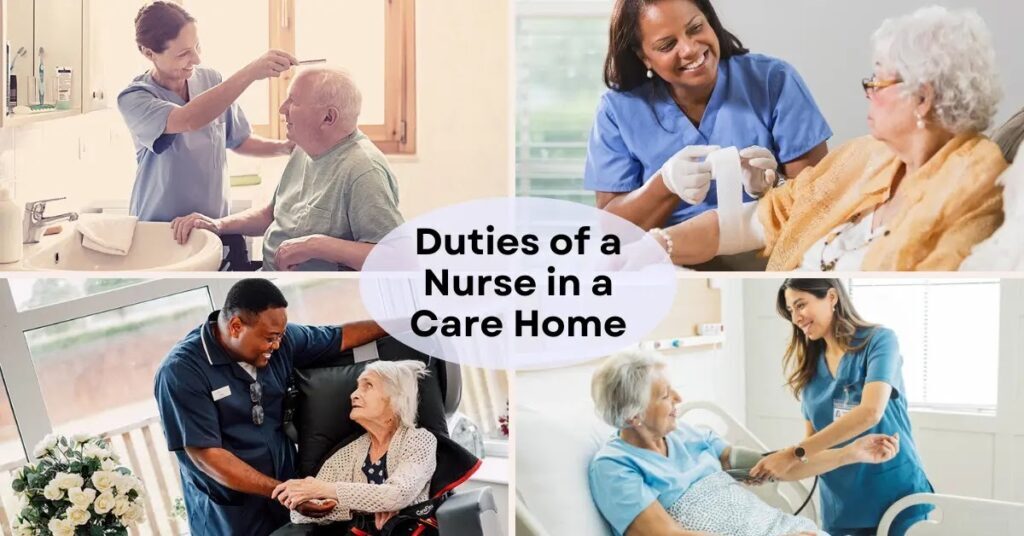
In this section, we break down the key nursing responsibilities that make up a typical day in a care home.
1. Monitoring Residents’ Health
Resident monitoring is the fundamental duty of daily nursing care. Nurses regularly check vital signs, observe symptoms, and perform basic health assessments to track each resident’s condition.
Key points include:
Vital signs: blood pressure, pulse, temperature, oxygen levels, and sometimes blood glucose.
Health observation: mobility, appetite, hydration, sleep patterns, mood, cognition, and pain levels.
Early detection: noticing subtle changes, like reduced appetite or confusion, can prevent serious health issues.
2. Administering Medication Safely
Care home residents often take several medicines for chronic health conditions, so careful management is essential.
Staff follow key practices like giving the right medicine at the right time, monitoring for side effects, securely handling controlled drugs, and regularly checking prescriptions for updates or special instructions.
3. Supporting Residents With Personal Care
Nurses also help residents with daily needs, especially those with complex or changing health conditions.
This includes assisting with bathing, dressing, toileting, and skin care. They support mobility by helping residents walk, reposition, or use assistive devices.
Nurses also help with feeding to ensure proper nutrition and hydration.
4. Keeping Accurate Records and Documentation
Accurate records allow nurses and other care staff to make informed decisions and maintain regulatory compliance.
Nurses track daily observations and resident progress, maintain medication charts for doses given or missed, document incidents like falls or injuries, and log everything needed to meet care standards for the elderly.
Clinical Responsibilities of Care Home Nurses
The following outlines the core clinical duties that define a nurse’s role in a care home setting.
1. Managing Chronic Conditions
Many care home residents live with long-term conditions like diabetes, dementia, heart disease, stroke recovery, or respiratory issues.
Staff help by monitoring symptoms, such as changes in movement, thinking, hydration, or vital signs. They also manage medications, making sure the right doses are given at the right times.
2. Performing Wound Care and Skilled Treatments
Nurses deliver specialized clinical care, including wound management, injections, catheter care, and infection prevention.
They handle wound care by cleaning, dressing, and checking for infection, and prevent pressure sores by repositioning residents and using protective dressings.
They manage catheters safely, give treatments like injections or insulin, and follow strict hygiene and infection prevention practices.
3. Creating and Updating Personalized Care Plans
Nurses assess risks like falls, skin issues, nutrition, mobility, and continence. They outline daily care, medications, and therapies, and regularly review plans as a resident’s health changes.
4. Coordinating With Doctors and Healthcare Professionals
Nurses act as the main link between residents and the rest of the healthcare system. They communicate with doctors, pharmacists, therapists, and specialists.
In addition, they also arrange referrals or hospital visits, share updates on treatments, and keep families informed about any changes in the resident’s condition or care.
5. Infection Control and Resident Safety
Nurses follow strict practices to protect everyone’s health. They wash their hands and use protective gear for all care activities, clean equipment, surfaces, and resident areas, and manage outbreaks by isolating cases.
They also make sure residents get vaccines like flu shots and boosters, and perform safety checks to prevent falls.
Emotional and Psychological Duties of Care Home Nurses
This section explores the key emotional and psychological responsibilities.
1. Providing Companionship and Reassurance
Nurses offer daily companionship to help residents feel safe and reduce anxiety.
They listen carefully to concerns, explain care procedures calmly, respect privacy and personal choices, and maintain a consistent presence.
2. Supporting Mental Health and Well-Being
Many residents may feel anxious, sad, or stressed. It affects their health and daily activities.
Nurses watch for changes in mood or behavior and provide support. They offer reassurance and encouragement, help residents stay active through hobbies, social time, and brain exercises.
3. Caring for Residents With Dementia
Caring for someone with dementia needs patience, gentle communication, and emotional understanding.
Nurses work to reduce confusion, keep routines consistent, and preserve dignity. They speak clearly using short, simple sentences and a calm tone.
4. Reducing Loneliness and Supporting Families
Nurses organize social activities to reduce isolation, keep families updated on care routines, provide guidance, and help relatives cope with their loved one’s condition. They also involve families in meaningful activities.
Safeguarding and Legal Responsibilities of Care Home Nurses
This section highlights the key legal, ethical, and safeguarding duties that define responsible care home nursing.
1. Protecting Vulnerable Residents
Nurses are the first line of protection for residents who may be at risk due to age, illness, disability, or memory problems.
Nurses watch for unsafe situations, spot potential hazards, and notice early signs of health changes. They take steps to keep residents safe from falls, accidents, or neglect while respecting their dignity.
Nurses also speak up for residents’ needs and preferences and closely monitor those with limited mobility, chronic conditions, or cognitive challenges.
2. Recognizing and Reporting Abuse or Neglect
Nurses have a legal and ethical duty to quickly recognize and report any signs of abuse or neglect. They must act immediately to protect residents and maintain trust.
This includes spotting warning signs such as injuries, sudden changes in behavior, poor hygiene, or concerning verbal cues.
Nurses should report concerns about abuse right away to senior staff, safeguarding leads, or the proper authorities. Clear and detailed documentation of observations, actions, and follow-up is essential.
3. Compliance With Care Home Regulations
Nurses meet Care Quality Commission (CQC) standards for safety and person-centered care, follow the Nursing and Midwifery Council (NMC) Code for ethics and competence.
They keep accurate records like care notes and incident reports, and ensure all actions are safe, ethical, and respect residents’ rights.
Essential Skills a Care Home Nurse Needs
A highly skilled care home nurse combines technical knowledge, sound judgment, and empathetic communication to meet the complex needs of the elderly.
1. Core Clinical Skills
Nurses use their expertise to check residents’ health, manage treatments, and respond quickly to emergencies.
Key skills include monitoring vital signs and overall health, providing wound care and preventing infections, safely giving medications, handling urgent medical situations, and following personalized care plans.
2. Essential Soft Skills
Important soft skills include empathy and compassion, which allow nurses to understand residents’ feelings and respond kindly.
Observation and patience help them notice small changes in health or behavior and act calmly in stressful situations.
Clear communication ensures residents understand treatments, families stay informed, and care teams work smoothly together.
Difference Between a Nurse and a Care Assistant in a Care Home
Here’s a simple comparison:
| Responsibility | Registered Nurse (RN / LPN) | Care Assistant / CNA |
| Medical Care | Administers medications, performs clinical procedures, & monitors vital signs | Assists with daily living, observes changes, & reports concerns to nurses |
| Care Planning | Creates and updates individualized care plans, performs risk assessments | Follows care plans prepared by nurses |
| Supervision | Supervises CNAs, LPNs, and junior staff, delegates tasks | Works under nurse supervision |
| Specialized Treatments | Wound care, catheter care, injections, palliative care | Provides personal care (feeding, hygiene, mobility) |
| Clinical Assessments | Conducts health assessments, evaluates symptoms, & identifies emergencies | Supports residents in daily activities, reports health changes to nurses |
| Professional Qualification | Licensed nurse (RN or LPN), regulated by NMC/CQC | Trained caregiver, no nursing license required |
| Practice | Legal authority to perform medical interventions | Cannot perform medical procedures |
| Documentation | Maintains medical records, incident reports, & medication charts | Records daily care notes, basic observations |
Frequently Asked Questions
1. What are the main duties of a nurse in a care home?
Care home nurses are responsible for monitoring residents’ health, administering medications, performing clinical treatments, updating care plans, documenting care, and supporting daily activities.
2. What is the difference between a care home nurse and a hospital nurse?
While both are trained professionals, care home nurses focus on long-term, daily resident care, managing chronic conditions, and providing ongoing support.
3. Do care home nurses give medication?
Yes, administering medications safely is a key responsibility of the nurses. It includes checking prescriptions, monitoring side effects, updating records, and handling controlled drugs under strict protocols.
4. What skills are needed for care home nurses?
They need clinical expertise (wound care, medication management, emergency response), soft skills (empathy, patience, communication, teamwork), and the ability to observe change.
5. Is working in a care home stressful?
It can be challenging due to complex health needs, emotional demands, and responsibility for vulnerable residents.
Conclusion
Nurses in care homes play a vital role in keeping residents safe, healthy, and comfortable. Nurses handle many tasks, from checking vital signs and giving medications to offering emotional support.
These responsibilities require a blend of clinical skill, empathy, and dedication, making the role both challenging and deeply rewarding.
For anyone passionate about making a difference in the lives of older adults, a career as a care home nurse offers the opportunity to provide meaningful care & build trust.
