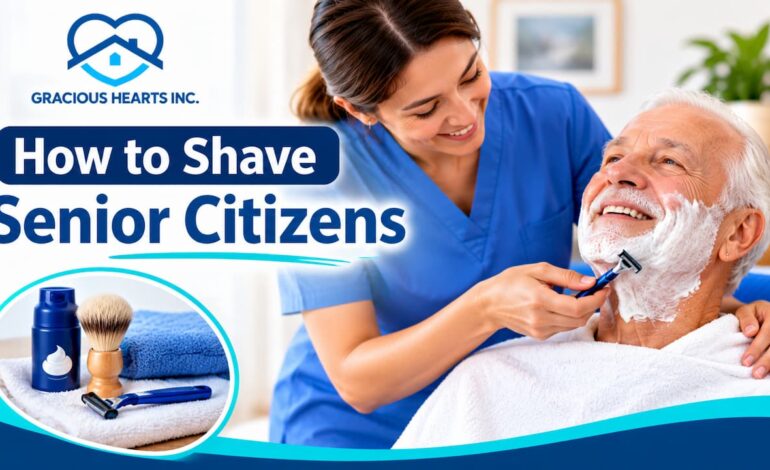
How to Shave Senior Citizens: A Safe and Gentle Guide for Caregivers
The safest way to shave a senior citizen is usually with an electric razor, a calm setting, and plenty of patience. Older skin is thinner and drier, so a gentle touch matters more than a close shave. Let them do as much as they can, and ask how they like to be shaved.
Shaving someone else feels personal, and it can be awkward at first. For many seniors, a clean shave is tied to dignity and self-image, so it is worth doing well.
This guide covers the right tools, step-by-step methods for electric and manual razors, tips for dementia, and what to do if you nick the skin. It is general information, not medical advice.
How Do You Shave a Senior Citizen Safely?
To shave a senior citizen safely, use an electric razor if you can, since it is less likely to cause nicks. Sit them comfortably in good light, wash and dry the skin, and shave gently in short strokes. Finish with a light moisturizer if they like one.
That is the short version. The sections below explain each part in more detail.
Why Shaving a Senior Is Different
Shaving an older adult takes more care than shaving a younger person. Skin gets thinner and drier with age, so it nicks and irritates more easily.
Some other things can make it harder.
- Blood thinners, which can make even a small cut bleed more than usual
- Tremors or limited hand strength
- Weight loss, which can add angles and hollows to the face
- Dementia, which can make the process confusing or scary
Not every caregiver wants to take this on, and that is okay. Gracious Hearts, a Phoenix assisted living home, offers daily personal care help with tasks like bathing and dressing. Families can read the full list of assisted living services if extra support would help.
What You Need Before You Start
Gather everything before you begin, so you are not leaving the person alone mid-shave. Having supplies within reach keeps the mood calm.
- A mirror
- An electric razor, or a razor and shaving cream if using a manual one
- A towel to catch hair and cream
- A basin of warm water and a washcloth
- A light moisturizer or aftershave, if they use one
Good lighting matters. Seat the person in a sturdy chair or have them sit up in bed.
Electric Razor or Manual Razor?
An electric razor is the best choice for most seniors. It is less likely to cause nicks and cuts, which matters a lot for people on blood thinners.
A manual razor gives a closer shave, but it carries more risk. If the person prefers one, let them choose. Avoid straight razors altogether.
| Factor | Electric Razor | Manual Razor |
| Risk of nicks | Lower | Higher |
| Closeness | Less close | Closer |
| Best for | Fragile skin, tremors, blood thinners | Someone who strongly prefers a blade |
| Extras needed | Shave lotion if they like it | Shaving cream and warm water |
How to Shave With an Electric Razor
An electric shave is simple and quick. These steps follow this caregiving guide to shaving an adult, so take your time and keep the person comfortable.
- Wash and dry the area you are shaving, or use a product made to clean the skin before electric shaving.
- Hold the razor so the handle sticks straight out from the skin, at a right angle.
- Use back-and-forth strokes. With a round-headed razor, move in small circles.
- Apply moisturizer or aftershave if the person wants it.
- Clean the razor as the package directs.
If you can, ask how they hold the razor and whether they have any special techniques. They know their own face best.
How to Shave With a Standard Razor
A manual shave needs a bit more care. If you can, choose a heavier razor, because its weight does the work and keeps you from pressing too hard.
- Wash the face with warm water to soften the hair.
- Apply shaving cream.
- Shave in the direction the hair grows. Going against it can cause irritation and ingrown hairs.
- Press firmly but not too hard, and ask the person how it feels.
- Use short strokes, and take extra care around the Adam’s apple, mouth, nose, and chin.
- Rinse the blade every few strokes.
- Wipe away leftover lather with a warm, damp washcloth, then dry the skin.
- Apply moisturizer or aftershave if they want it.
- Rinse the razor well before storing it.
Tips for Shaving Someone With Dementia
Shaving can be harder when the person has dementia. They may not understand what is happening, or they may feel afraid.
In the early stages, a reminder may be all they need. As dementia progresses, they usually need more help, and an electric shaver lets many people shave on their own for longer. The Alzheimer’s Society washing and bathing guide is a helpful resource for carers.
A few things make it easier:
- Talk through each step in a calm voice, and give them time to respond
- Watch their body language, since they may not be able to say how they feel
- Choose a time of day when they are most relaxed
- Try a razor made for carers, which has a safety comb and a special handle
- Lock away razors when they are not in use, in case the person cannot recognize the danger
If the person starts cutting themselves, supervise or shave for them when you can. If they refuse on a given day, it is usually best to stop and try again later.
Shaving Senior Women
Many older women also grow hair on the upper lip and chin. Ask whether she wants it removed, and how she would like it done.
A small electric trimmer or facial shaver is gentle and easy to use. Keep the moment private and respectful, and let her do as much as she can.
What to Do If You Nick the Skin
Small nicks happen, even with careful caregivers. Stay calm and act quickly.
Press a clean gauze pad firmly on the spot until the bleeding stops. A styptic pencil can help if you have one. If the bleeding will not stop, or the person takes blood thinners and bleeds more than expected, call their doctor.
Keeping It Comfortable and Respectful
How you shave matters as much as how well you shave. A few habits help.
- Let them do the shaving if they can, and help by holding the mirror or handing over supplies
- Ask how they like to be shaved before you begin
- Explain what you are doing as you go
- Keep a steady routine, so it feels familiar
- Check the skin as you go, and mention new redness, sores, or spots to their doctor
For more everyday care ideas, see this guide to personal hygiene care for the elderly.
When to Get Extra Help
Shaving may get harder over time. Tremors, resistance, or caregiver strain can make it stressful for both of you.
A professional caregiver or a home barber can take some of the load. If grooming and other daily tasks become too much, this comparison of personal care vs assisted living can help you think through next steps. You can also read this broader guide on how to care for the elderly.
Frequently Asked Questions
What is the best razor for an elderly man?
The best razor for an elderly man is usually an electric razor. It is less likely to cause nicks, which matters for fragile skin and for men on blood thinners. It is also easier to handle if he has tremors or limited hand strength.
How often should you shave a senior?
How often to shave a senior depends on their condition and their preference. Some prefer a daily shave, while others are fine a few times a week. Ask what feels right, and be flexible on days they are tired or unwell.
How do you shave someone with dementia?
Shaving someone with dementia works best with an electric razor, a calm voice, and a familiar routine. Talk through each step and watch their body language. If they become upset, stop and try again later.
Is it safe to shave an elderly person on blood thinners?
Shaving an elderly person on blood thinners can be safe with extra care. An electric razor lowers the risk of cuts, since blood thinners can make even minor cuts bleed more than usual. If bleeding will not stop, call their doctor.
Should you shave with or against the grain on senior skin?
Shaving with the grain is the better choice on senior skin. Going against the grain can cause irritation, redness, and ingrown hairs. Short, gentle strokes help even more.
Shaving With Care and Dignity
A good shave is about comfort and respect more than a perfect finish. Take your time, ask for their input, and keep the mood calm.
If you ever feel unsure, talk to their doctor or a professional caregiver. Families in Phoenix who want to talk through assisted living options can reach out to the Gracious Hearts team.