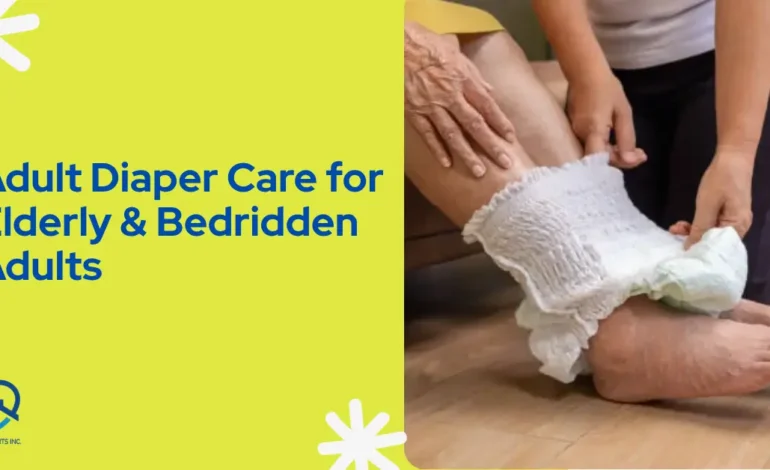
Adult Diaper Change Service: Safe, Hygienic, Reliable
Did you know that over 25 million adults in the U.S. experience some form of urinary incontinence?
This condition significantly impacts the daily lives of elderly, bedridden, and disabled adults. In addition, it affects their hygiene, dignity, and overall well-being.
For those who need assistance, an adult diaper change service provides professional support for maintaining hygiene and managing incontinence.
Trained caregivers replace used diapers, clean the skin to prevent irritation, and ensure comfort and dignity for the individual.
These services are commonly offered in hospitals, care homes, or through home health providers.
Whether it’s seniors with limited mobility, post-surgery patients, or individuals in palliative care, these services ensure proper hygiene, comfort, and safety.
This comprehensive guide will help you understand who benefits most from these services, the advantages of professional care, the different types of services available, and how to choose the right provider.
Henceforth, let’s get started!
What Is an Adult Diaper Change Service?
An adult diaper change service is a specialized caregiving support designed to assist individuals who require help with incontinence management.
This service involves trained caregivers who assist with changing adult diapers. They ensure proper hygiene and maintain the comfort and dignity of the individual.
Such services are particularly beneficial for elderly individuals, those with disabilities, and patients who are bedridden or recovering from surgery.
For elderly individuals and those with mobility impairments, maintaining hygiene is crucial to prevent skin irritations, infections, and other health complications.
Additionally, these services alleviate the physical and emotional strain on family members who may otherwise be responsible for this aspect of care.
Do Diaper Services Still Exist?
Yes, adult diaper change services are not only widespread but also increasingly in demand.
The growing aging population and the rise in chronic health conditions have led to a greater need for specialized caregiving services.
Modern in-home and agency-based services offer flexible options to meet the diverse needs of individuals requiring assistance with incontinence care.
These services are often covered by insurance plans, including Medicaid.
Who Needs an Adult Diaper Change Service?
These services provide professional assistance to ensure hygiene, dignity, and comfort.
1. Seniors with Limited Mobility
As individuals age, they may encounter mobility challenges that make self-care difficult.
Conditions such as arthritis, stroke, or Parkinson’s disease can impair movement.
Professional caregivers are trained to assist with these needs and ensure that seniors maintain their dignity and hygiene without placing undue strain on family members
2. Adults with Disabilities
Adults with physical or cognitive disabilities often require assistance with daily activities, including incontinence care.
Conditions like cerebral palsy, multiple sclerosis, or traumatic brain injuries can affect an individual’s ability to manage personal hygiene.
Specialized caregivers are equipped to provide respectful and efficient diaper-changing services.
3. Post-Surgery or Palliative Care Patients
Individuals recovering from surgery or receiving palliative care often experience temporary or permanent incontinence.
During recovery, mobility may be limited, and professional caregivers can provide essential support to manage incontinence, allowing patients to focus on healing.
4. Hospital Patients or Home-Bound Individuals
Patients recovering from surgery or those with chronic illnesses may find themselves bedridden or home-bound.
Hospitals and home care agencies offer adult diaper change services to ensure patients’ comfort and prevent complications such as skin infections or pressure sores.
Types of Adult Diaper Change Services
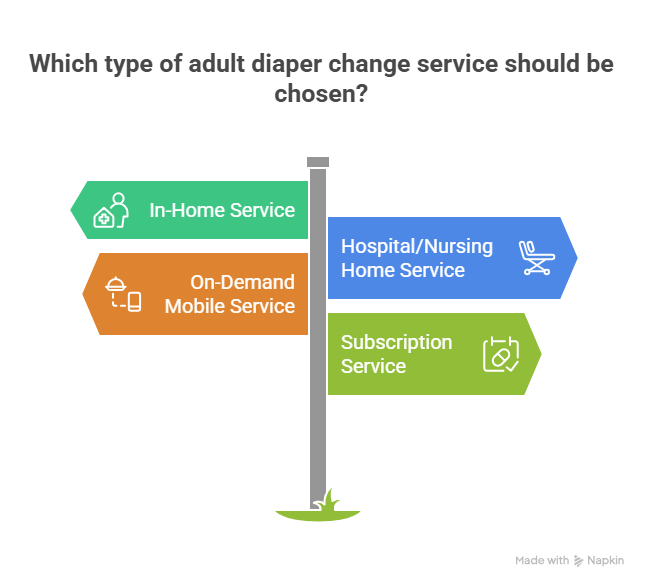
These services ensure proper hygiene, dignity, and comfort. They are offered in multiple settings to cater to diverse needs.
1. In-Home Diaper Change Service
In-home services provide personalized care within the comfort of the individual’s residence.
Trained caregivers assist with diaper changes, skin care, and other personal hygiene needs.
This option is beneficial for those who prefer to remain at home and maintain a sense of independence.
Agencies like Gracious Hearts Inc. offer incontinence care services on a 24-hour or hourly basis in various locations.
2. Hospital or Nursing Home Service
Hospitals and nursing homes offer professional care for patients with incontinence.
Caregivers assist with timely diaper changes. They ensure comfort and prevent complications such as skin infections.
In nursing homes, adult briefs or other continence products should be changed at least 5 to 10 times per day.
3. On-Demand Mobile Services
On-demand services provide flexibility for individuals requiring occasional assistance.
Caregivers can be scheduled as needed. They offer support for diaper changes and other personal care tasks.
This option is ideal for those who do not require daily assistance but need help during specific times.
4. Subscription-Based Adult Diaper Services
Subscription services deliver adult diapers and incontinence products directly to the individual’s home.
Companies provide discreet delivery and discounts on products.
This service ensures a consistent supply of necessary items without the need for frequent reordering.
Benefits of Using a Professional Adult Diaper Change Service
Opting for a professional adult diaper change service offers numerous advantages that enhance the quality of life for individuals.
1. Comfort, Dignity, and Hygiene
Professional caregivers are trained to manage incontinence discreetly and respectfully, ensuring that individuals maintain their dignity and comfort.
By adhering to proper hygiene practices, they help prevent skin irritations and infections, promoting overall well-being.
2. Reducing Infection Risk
Inadequate incontinence care can lead to serious health issues, including urinary tract infections (UTIs) and skin breakdowns.
Professional services implement stringent hygiene protocols, such as regular diaper changes and proper skin care, to minimize these risks.
This proactive approach is particularly crucial for individuals with compromised immune systems or those in long-term care settings.
3. Emotional Support for Family Caregivers
Professional diaper change services alleviate some of this burden by providing expert care, which can reduce stress and prevent caregiver burnout.
This support enables family caregivers to focus on other aspects of care and maintain their well-being.
4. Time-Saving Convenience
Managing incontinence requires significant time and effort, including frequent diaper changes and monitoring for potential complications.
By outsourcing these tasks to professional services, caregivers can reclaim valuable time.
5. Safety and Proper Disposal of Waste
Professional caregivers are trained in the safe handling and disposal of soiled diapers.
It reduces the risk of contamination and ensures a hygienic environment. They also monitor for signs of skin irritation or other health concerns.
How to Choose the Right Adult Diaper Change Service
Below are key factors to consider to help you make a confident, informed decision.
1. Licensing, Certification, and Background Checks
Always confirm that the service is properly licensed and certified under state and local health regulations.
Reputable agencies conduct comprehensive background checks on caregivers, including fingerprinting and health screenings, to ensure client safety.
Verified caregivers often undergo specialized incontinence care training to manage adult diaper changes safely and respectfully.
2. Hygiene and Safety Standards
Look for providers that follow CDC-recommended infection control practices, including frequent handwashing, use of gloves, and proper sanitization.
Caregivers should also monitor the skin for irritation or pressure sores and change diapers promptly to prevent rashes or urinary tract infections.
Professional services like those listed on Gracious Hearts Inc. exemplify this standard.
Their home care and assisted living services highlight how consistent hygiene and personalized care can make a significant difference in comfort and well-being.
3. Gender Preference of Caregiver
Many clients prefer caregivers of the same gender for intimate tasks like diaper changes.
A professional agency should respect these preferences and offer flexibility when assigning staff.
4. Cost Transparency
Some services charge by the hour, while others offer packages based on visit frequency or subscription models.
Ensure that costs cover all essentials, caregiver service, cleaning supplies, and waste disposal.
Role of the Adult Diaper Change Caregiver
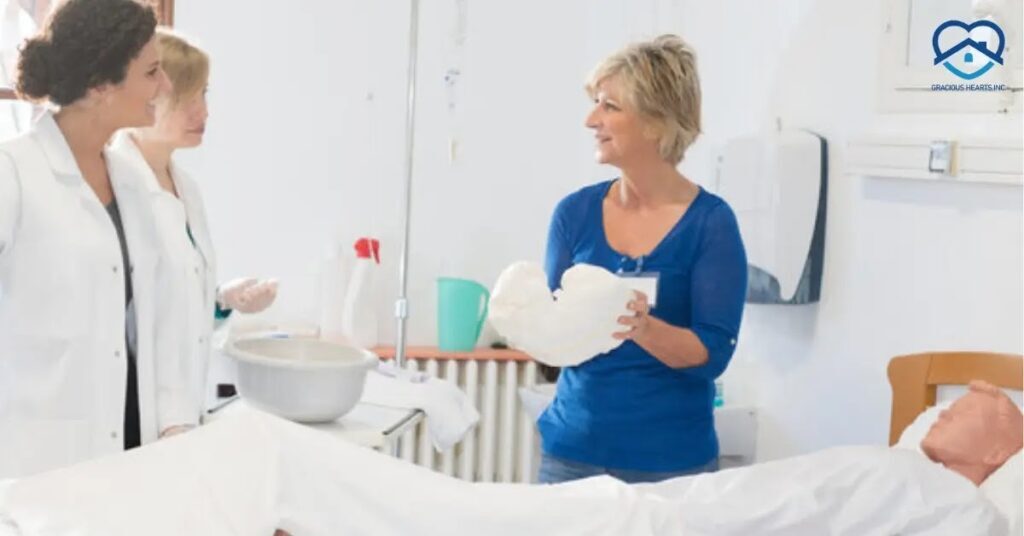
An adult diaper change caregiver is often a Certified Nursing Assistant (CNA), Home Health Aide (HHA), or Personal Care Attendant (PCA) who has received professional training in personal hygiene, skin health management, and infection prevention.
Their care is vital for elderly adults, bedridden patients, and individuals with mobility or cognitive impairments
They work in various settings, including private homes, assisted living facilities, hospitals, and hospice care environments.
Unlike untrained family caregivers, professional attendants are educated in:
- Infection control practices (using gloves, sanitization, and waste management)
- Patient handling and mobility safety
- Skin integrity assessment and preventive care
- Privacy, dignity, and empathy in personal care tasks
Their work involves a combination of technical skill and emotional sensitivity, including:
- Performing Diaper Changes: Gently remove soiled briefs, cleanse with hypoallergenic wipes or warm water, apply a barrier cream, and secure a fresh diaper to maintain dryness and comfort.
- Skin Care and Hygiene: Regularly inspect high-moisture and pressure-prone areas, such as the buttocks and inner thighs, to detect redness or sores early and prevent ulcers or infections.
- Maintaining Dignity and Privacy: Clear communication, step-by-step explanation, and maintaining privacy during care foster trust and reduce discomfort.
- Infection Control & Waste Disposal: Using medical gloves, disinfectants, and sealed disposal bags to maintain a sterile and odor-free environment.
Caregivers are trained to observe and document signs such as:
- Skin irritation or fungal infection
- Unusual odor or discharge indicating urinary tract infection (UTI)
- Pressure sores or immobility-related injuries
In-Home vs. Assisted Living Diaper Change Care
In-Home Services
In-home caregivers provide one-on-one attention in the comfort of the client’s residence.
They often work on an hourly or scheduled basis, handling diaper changes, bathing assistance, and mobility support.
Agencies such as Gracious Hearts Inc. follow this personalized care model.
Their caregivers assist clients with daily hygiene needs, including incontinence management, while promoting independence and respect.
Assisted Living or Facility-Based Care
In assisted living communities or nursing homes, diaper changes follow scheduled routines based on residents’ care plans.
Certified caregivers perform regular changes, skin checks, and repositioning to prevent sores.
How an Adult Diaper Change Service Works
Here’s how the entire care routine typically works, from booking to follow-up.
Step 1: Booking the Service
The process begins with scheduling an appointment through a care agency, online portal, or phone consultation.
Families or clients specify their care needs, such as frequency (daily, weekly, or on-demand), preferred caregiver gender, and any health conditions to note.
Once booked, the agency matches a trained caregiver (often a Certified Nursing Assistant or Home Health Aide) based on experience, proximity, and client preferences.
Step 2: Visit Preparation
Before the visit, the caregiver reviews the individual’s care plan and notes any medical concerns or skin conditions.
Supplies such as adult diapers, wipes, gloves, barrier creams, and sanitizers are prepared in advance.
The caregiver ensures the environment is private, clean, and well-lit to provide a safe, comfortable space for the procedure.
Step 3: Discreet and Respectful Diaper Change Routine
During the visit, the caregiver greets the client politely, explains each step, and ensures privacy (such as closing curtains or using screens). They then:
- Wash hands and wear gloves.
- Gently remove the soiled diaper.
- Clean the skin using hypoallergenic wipes or mild soap and water.
- Inspect for redness, rashes, or sores.
- Apply protective barrier cream if necessary.
- Secure a fresh, dry diaper comfortably.
Step 4: Waste Disposal and Sanitization
After changing, all soiled materials are sealed in disposal bags and placed in the proper waste container to prevent contamination.
The caregiver sanitizes the area, disinfects any used surfaces, and removes gloves safely.
Step 5: Follow-Up and Feedback
Once the session is complete, the caregiver documents the visit.
They note the time, frequency, and any observed skin or health issues.
Agencies often maintain digital logs or reports shared with family members or nurses for transparency.
Cost of Diaper Services
The price of these services varies depending on several factors, including the type of service, frequency of visits, and the level of additional care required.
In-home care services typically range from $24 to $43 per hour, based on the region and the complexity of care.
In contrast, facility-based services, such as nursing homes or assisted living communities, can cost between $8,800 and $12,000 per month.
Daily or round-the-clock visits will accumulate higher monthly expenses compared to occasional or weekly visits.
Additionally, services that include extra assistance, such as bathing, hygiene management, mobility support, or medication reminders, can further increase the overall cost.
For example, some agencies bill around $45 per hour for visits that include comprehensive personal care, often with a two-hour minimum per session
Frequently Asked Questions
Can Medicare or insurance cover adult diapers?
Medicare generally does not cover over-the-counter adult diapers. However, some Medicaid programs or private insurance plans may cover adult briefs if they are medically necessary and prescribed by a physician. Coverage varies by state and plan, so it’s essential to check with your provider or local Medicaid office for eligibility.
How to handle emergencies during diaper changes?
In emergencies, such as sudden incontinence with skin irritation, a fall, or severe leakage, remain calm and prioritize safety. Ensure the person is secure, clean the area as best as possible, and contact a healthcare professional if needed.
How to discreetly manage incontinence at home?
Discretion can be maintained by using high-quality absorbent briefs, protective bed pads, and gloves during changes. Scheduling regular changes and maintaining a dedicated change station also helps.
What is included in an adult diaper change service?
A professional service includes diaper changes, skin cleansing, barrier cream application, monitoring for irritation or sores, proper waste disposal, and documentation. Some agencies also provide additional personal care, such as bathing, mobility assistance, and health monitoring.
How often should adult diapers be changed?
Adult diapers should generally be changed every 2 – 4 hours or immediately after soiling, based on the individual’s condition and skin sensitivity. Frequent changes reduce the risk of rashes, infections, and discomfort. For bedridden or incontinent adults, caregivers often follow a scheduled routine to maintain hygiene and skin health.
Conclusion
Professional adult diaper change services play a pivotal role in enhancing the quality of life for individuals managing incontinence.
By ensuring proper hygiene, preventing skin complications, and offering compassionate care, these services contribute significantly to the well-being of patients.
When considering such services, it’s essential to evaluate specific needs, including the frequency of care, level of assistance required, and any additional health considerations.
Ultimately, professional diaper care not only addresses physical health needs but also upholds the dignity and comfort of individuals.
