How to Care for the Elderly Parents: Health, Safety & Foot Care Tips
By 2030, one in six people worldwide will be aged 60 or over. This is a dramatic shift that makes learning how to care for elderly more essential than ever..
Aging affects the body, emotions, and mind. Chronic conditions become more common, and social isolation or cognitive decline can quietly undermine quality of life.
To truly support an older adult, care must be inclusive.
Ensure proper nutrition and regular medical checkups, encourage safe physical activity suited to their mobility, and provide consistent emotional support and social connection.
Create a safe, accessible home, manage medications accurately, and tend to daily needs like hygiene and foot and toenail care to preserve mobility and prevent infection.
At the same time, prioritize respect, patience, and clear communication.
This guide brings it all together: step-by-step home-care strategies, medical and safety checklists, emotional-wellness tips, and focused advice on elderly feet and toenail care.
Therefore, let’s dive in!
Understanding Elderly Care Needs
As our loved ones grow older, understanding their senior care needs becomes essential to providing the right balance of comfort, independence, and medical support.
What Is Elderly Care?
Elderly care, also known as senior care, refers to the range of services designed to meet the physical, emotional, and social needs of aging parents and older adults.
It includes everything from daily living assistance, like bathing, dressing, and medication management, to emotional companionship and medical supervision.
The primary goal of elderly care is to ensure comfort, safety, dignity, and independence as seniors transition through different stages of aging.
The Three Stages of Aging
Most clinicians and senior-care planners describe aging as a sequence rather than a single state.
1. Independent Stage: Older adults can manage most daily tasks but may need occasional help with transportation, meal prep, or home maintenance.
2. Assisted Stage: Seniors begin requiring regular support for activities such as bathing, dressing, or managing medications. Family members or part-time caregivers often provide this help.
3. Dependent Stage: When health or mobility significantly declines, seniors rely on elderly support systems. Such as professional caregivers, home health aides, or assisted living facilities, for full-time care.
Recognizing these signs is critical; check our guide on signs your elderly parent needs help.
Physical Health and Medical Care for the Elderly
Consistent medical attention, balanced nutrition, and gentle physical activity help seniors live longer, safer, and more independently.
Importance of Regular Checkups
Routine health screenings allow early detection of chronic diseases and medication side effects.
Seniors should see a healthcare provider every 3 – 6 months for blood pressure, heart, vision, and bone health reviews.
Preventive care, like flu shots, dental visits, and hearing checks, reduces hospitalizations and keeps aging parents active.
Common Elderly Health Issues
Many older adults experience arthritis, heart disease, dementia, diabetes, or mobility issues.
Recognizing symptoms early enables proper management, therapy, or lifestyle adjustments.
Safe Medication Management
Maintain one updated medication list, use pill organizers, and set reminders.
Regularly review prescriptions with doctors to avoid interactions. Label containers clearly and store them safely.
Nutrition and Diet Tips for Seniors
Opt for high-protein, fiber-rich meals with lean meats, vegetables, whole grains, and calcium-rich dairy.
Limit sodium and processed foods, and keep hydration a priority.
A registered dietitian can tailor diets for diabetes, heart conditions, or weight management.
Exercise and Physical Activity
Encourage 150 minutes of light exercise weekly. Walking, stretching, yoga, or tai chi.
These activities boost circulation, balance, and mood while reducing the risk of falls.
Preventing Falls and Injuries
Install grab bars, improve lighting, and keep pathways clutter-free.
Regular balance exercises and footwear with non-slip soles reduce accidents.
Choosing the Right Caregiver
You’ll want someone with experience in geriatric or age-friendly care, clear and compassionate communication, and a track record of coordinating with other health services.
For example, organizations like Gracious Hearts Inc. operate multiple caregiving services and facilities under a single umbrella.
It allows them to support families with continuity, referrals, and oversight across various care settings.
Specialized Care: Elderly Feet and Toenail Health
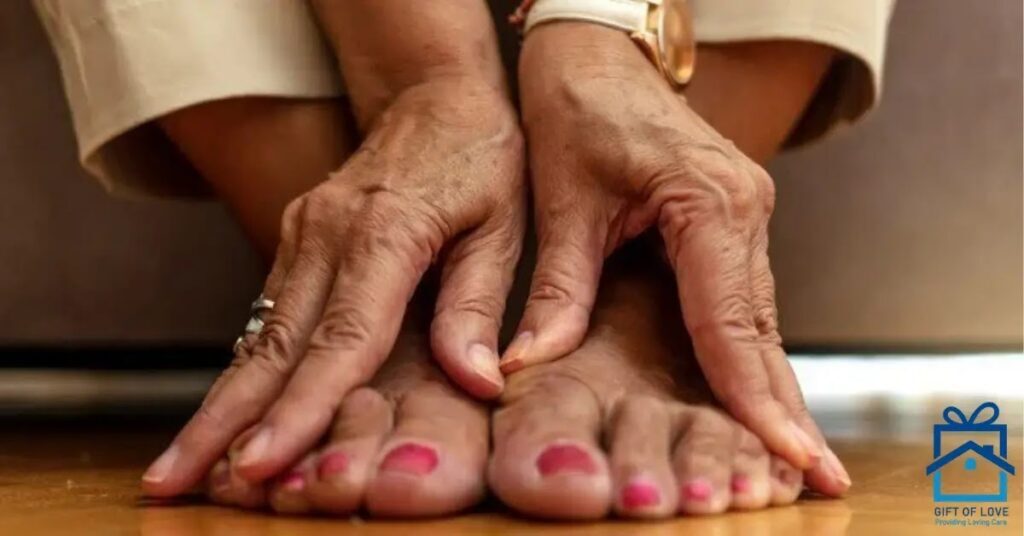
As the National Institutes of Health notes, proper foot and toenail care is crucial for preserving seniors’ independence, preventing complications, and enhancing quality of life.
That’s why understanding how to care for elderly feet and toenails is not just about hygiene; it’s about preserving dignity, comfort, and confidence.
Poor foot health can limit walking, increase the risk of falls, and drastically affect quality of life.
Seniors often face conditions like dry skin, calluses, fungal infections, swelling, bunions, and neuropathy.
Over time, even minor foot problems can become serious due to slower healing and reduced circulation. Here is the daily foot care routine for seniors,
Step 1: Prepare the essentials
Gather a clean towel, a basin of warm water, mild soap, moisturizer, and sanitized nail tools.
Step 2: Wash your hands and explain the routine
Always wash your hands before starting.
If you’re a caregiver, calmly explain each step to help your elderly loved one feel relaxed and involved.
Step 3: Soak the feet
Soak feet in warm (not hot) water for 5 – 10 minutes to soften skin and nails.
Avoid soaking if there are open wounds or circulation issues, unless advised by a doctor.
Step 4: Inspect both feet carefully
Look for redness, swelling, cuts, blisters, or nail discoloration.
Use a mirror for the soles or ask a caregiver to assist.
Step 5: Clean gently
Wash feet with mild soap and warm water, then dry thoroughly, especially between toes to prevent fungal infections.
Step 6: Trim or file nails safely
If it’s safe to do so, trim nails straight across and file sharp edges.
Avoid trimming if the senior has diabetes, thick nails, or poor circulation.
Step 7: Moisturize the feet
Apply lotion to the tops, soles, and heels to prevent dryness and cracking.
Avoid applying moisturizer between toes to reduce fungal growth.
Step 8: Choose proper footwear
Encourage wearing supportive, non-slip shoes with cushioned soles and breathable materials.
Always use clean, moisture-wicking socks.
Emotional and Mental Well-being
Loneliness and poor mental health can be as damaging to seniors as many physical illnesses.
How loneliness affects seniors
Social isolation and loneliness raise the risk of depression, anxiety, heart disease, stroke, cognitive decline, and even earlier death.
Studies and public-health agencies note that older adults who are lonely have worse physical and mental outcomes.
Practical ways to reconnect a senior- schedule regular visits or phone/video calls, involve them in local senior centers or faith groups, encourage volunteering or intergenerational activities, and help them adopt low-barrier hobbies (gardening, puzzles, music, book clubs).
Broad social networks and purposeful engagement are linked with better mood, cognition, and physical activity.
Managing elderly depression or anxiety
Watch for changes in sleep, appetite, energy, interest in activities, or persistent sadness and worry.
Depression in older adults is treatable; evidence-based approaches include psychotherapy, appropriate medication when needed, and combined care plans.
Follow clinical guidelines and seek professional assessment when symptoms persist or worsen.
Benefits of therapy or counseling for the elderly
Therapies such as cognitive behavioral therapy, problem-solving therapy, and life-review interventions show measurable benefits for older adults’ depressive and anxiety symptoms.
For those seeking comprehensive support, Gracious Hearts Inc. offers a range of services designed to enhance the emotional and mental well-being of seniors.
How to Care for Elderly at Home?
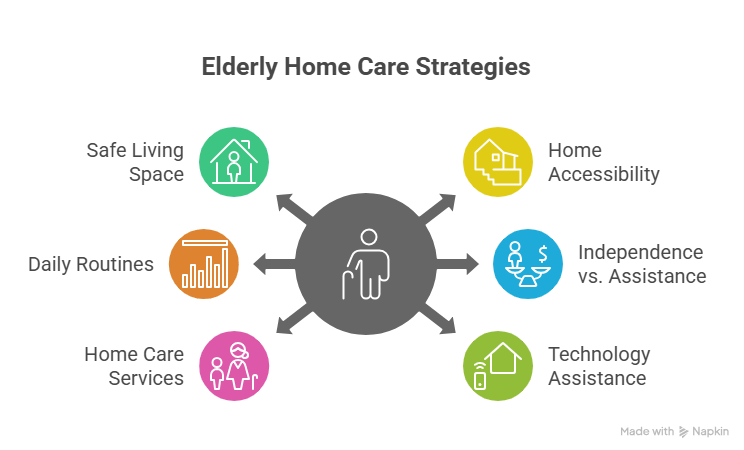
By implementing thoughtful modifications and routines, you can enhance their quality of life and ensure their comfort.
1. Setting Up a Safe and Comfortable Living Space
Creating a secure home environment is important. Ensure that all areas are well-lit, especially hallways and staircases, to prevent accidents.
Remove tripping hazards such as loose rugs and clutter.
Install grab bars in bathrooms and near toilets to provide stability. Consider using non-slip mats in the kitchen and bathroom to reduce the risk of slips.
2. Adapting the Home for Accessibility
Install ramps at entryways to eliminate steps and facilitate wheelchair access.
Add walk-in showers with benches, handheld showerheads, and raised toilet seats to enhance safety and comfort.
Place handrails along stairways and hallways to assist with balance and movement.
3. Daily Routines and Personal Hygiene Support
Assist with personal hygiene tasks, such as bathing, grooming, and dressing, while encouraging autonomy where possible.
Ensure that personal care items are within easy reach and that the environment is comfortable and private.
Regularly assess the need for assistance and adjust routines as necessary.
4. Balancing Independence and Assistance
Assist when needed but encourage participation in tasks like meal preparation, light housekeeping, and personal care.
This balance fosters a sense of purpose and dignity, reducing feelings of helplessness and promoting mental well-being.
5. Using Home Care Services or Part-Time Caregivers
Hiring part-time help allows for respite and ensures that seniors receive the appropriate level of care.
When selecting a caregiver, consider their qualifications, experience, and compatibility with your loved one’s personality and preferences.
6. Technology That Helps Care for the Elderly
Smartwatches and medical alert systems with fall detection capabilities can provide real-time alerts and emergency assistance.
Digital pill dispensers and reminder apps help ensure timely medication adherence.
Choosing Between Home Care, Assisted Living, or Nursing Homes
Here’s a breakdown of each option to help guide your choice.
Home Care
Pros
- Familiar Environment: Seniors remain in the comfort of their own home.
- Personalized Care: Care plans are made for individual needs.
- Family Involvement: Family members can be more actively involved in daily routines.
Cons
- Limited Medical Support: Home care doesn’t provide 24/7 medical supervision.
- Potential Isolation: Without regular social interactions, seniors may experience loneliness.
- Home Modifications Needed: The home may require adjustments to ensure safety and accessibility.
Assisted Living
Pros
- Support with Daily Activities: Assistance with bathing, dressing, and medication management.
- Social Engagement: Opportunities for socialization through communal dining and activities.
- 24/7 Staff Availability: On-site staff available around the clock for emergencies.
Cons
- Cost: Can be expensive, with costs varying based on location and services provided.
- Less Personalized Care: Due to the number of residents, individual attention may be limited.
- Adjustment Period: Moving to a new environment can be challenging for some seniors.
Nursing Homes
Pros
- Comprehensive Medical Care: Provides 24/7 skilled nursing care for complex medical needs.
- Therapeutic Services: Access to physical, occupational, and speech therapies.
- Regulated Environment: Facilities are licensed and regulated to ensure quality care.
Cons
- High Cost: The most expensive option, often not covered by standard insurance.
- Limited Autonomy: Seniors may have less control over daily routines and activities.
Making the Right Choice Based on Health and Finances
Consider the following factors,
- Health Needs: Home care may suffice for those with minimal needs, while nursing homes are suitable for individuals with complex medical conditions.
- Financial Resources: Assisted living and nursing homes can be costly, and insurance coverage varies.
- Personal Preferences: Consider the senior’s desire for independence and socialization.
For detailed guidance on choosing services, see where to find the best elderly care services.
FAQs
What is the best way to care for elderly parents at home?
Caring for elderly parents at home involves creating a safe, comfortable environment, helping with daily tasks like bathing and meal preparation, managing medications, and encouraging social and mental engagement.
How can I emotionally support my elderly loved ones?
Provide companionship, listen actively, and encourage participation in social activities and hobbies. Regular interaction through phone calls, visits, or community programs reduces loneliness.
What are the signs that an elderly person needs professional care?
Look for changes in daily functioning, such as difficulty with personal care, frequent falls, memory problems, sudden weight loss, or persistent fatigue. Emotional signs like withdrawal, depression, or increased anxiety also indicate the need for professional assessment.
How can I manage elderly care expenses?
Plan by reviewing insurance, long-term care policies, and government assistance programs. Consider a mix of home care, community services, and family support to balance cost and quality. Budget for daily living, medical needs, and emergency expenses.
How to deal with the elderly who refuse help?
Approach the conversation with patience and empathy. Involve them in decision-making, offer choices rather than directives, and explain the benefits of assistance for safety and independence.
How to care for elderly thick toenails?
Thick toenails are common in older adults due to fungal infections, aging, or poor circulation. Soak feet, gently file nails, and avoid aggressive cutting. Regular professional podiatry care is recommended for the prevention of infection or recurrence.
Bottom Line
Caring for elderly loved ones requires thoughtful preparation across physical, emotional, and financial aspects.
From ensuring safe living spaces and proper medical care to supporting mental well-being and managing expenses, a comprehensive approach is essential.
Every senior’s needs are unique, so creating a personalized elderly care plan helps provide the right balance of independence, safety, and companionship.
By taking proactive steps and seeking professional support when needed, families can make a meaningful difference in their loved ones’ lives.
