Warning Signs Your Elderly Parent Needs Help
According to the Centers for Disease Control and Prevention (CDC), about one in three adults over age 65 experiences limitations in daily activities such as bathing, eating, or dressing.
These challenges often creep in gradually and result in huge safety risks. That’s why recognizing the signs your elderly parent needs help is essential.
Common signs your elderly parent needs help include difficulty managing daily tasks, frequent falls, poor hygiene, unexplained weight loss, confusion, unpaid bills, cluttered living spaces, and withdrawal from social activities.
Noticeable memory loss, medication mismanagement, or missed appointments can also signal that it’s time to consider additional support or assisted care.
These red flags often span multiple areas of life, such as physical health, mental and emotional stability, home management, safety, and social engagement.
In this guide, we’ll explore each of these indicators in detail, from mobility problems and mood changes to financial struggles and safety risks, while also sharing practical steps families can take.
Henceforth, let’s get started!
5 Physical Signs Your Elderly Parent Needs Help

Difficulty with basic activities such as bathing, dressing, and eating, along with a pattern of mobility decline, are among the most reliable risk factors indicating that extra support is needed.
1. Declining mobility & frequent falls
Trouble rising from chairs, slow or shuffling gait, needing support on stairs, or a recent fall (even a “near-fall”) all point to weakened strength, balance problems, or untreated medical issues.
Falls are common and dangerous for older adults. That’s why prevention and assessment (home modifications, strength/balance exercises, medical review) should be prioritized.
2. Noticeable weight loss or gain
Sudden, unexplained weight change can indicate malnutrition, difficulty shopping/cooking, depression, medication side effects, or worsening chronic disease.
Even modest, unintentional weight loss in older adults should prompt medical evaluation and a nutrition check.
3. Unexplained bruises or injuries
Frequent or unexplained bruising, cuts, or skin tears may reflect falls, balance problems, or forgetting to use assistive devices.
Because seniors often don’t report falls, visible injuries are an important clue to investigate and address.
4. Poor personal hygiene & self-care
Skipping showers, wearing the same clothes repeatedly, poor dental care, or an increasingly unkempt appearance often signal that your parent is struggling to perform personal care.
These signs are frequently flagged by clinicians as justification to assess daily living needs..
5. Difficulty managing daily tasks (ADLs/IADLs)
Problems cooking safely, managing personal hygiene, dressing, or handling housekeeping and shopping suggest loss of functional independence.
When these tasks become inconsistent or unsafe, consider a home safety assessment, medication review, or in-home help
4 Cognitive Signs Your Elderly Parent Needs Help
Recognizing these signs early can help ensure their safety and well-being.
1. Memory Lapses and Confusion
Frequent forgetfulness, such as misplacing items or forgetting recent conversations, can indicate early stages of cognitive decline.
While occasional forgetfulness is normal, persistent memory issues may require attention.
2. Difficulty Handling Finances
Struggling to manage bills, forgetting to pay them, or making uncharacteristic financial decisions may suggest cognitive challenges affecting judgment and memory.
3. Getting Lost in Familiar Places
Disorientation in previously well-known environments, like forgetting the way home from a regular outing, can be a concerning sign of cognitive impairment.
4. Repeating Questions Frequently
Asking the same questions multiple times without recalling previous answers can be indicative of memory issues.
Behavioral Signs Your Elderly Parent Needs Help
Being vigilant about these behavioral signs can help you determine when your elderly parent may need additional support.
1. Mood Swings and Irritability
Unexplained mood changes, such as increased irritability or sudden emotional outbursts, can be linked to cognitive decline or underlying health issues.
2. Aggressive or Uncharacteristic Behavior
Sudden aggression, agitation, or uncharacteristic behavior changes, such as belligerence or apathy, may be linked to cognitive issues or emotional distress.
3. Increased Anxiety or Paranoia
Excessive worry, fearfulness, or suspicious behavior can be signs of cognitive decline, especially when they are out of character for your loved one.
4. Withdrawal from Social Activities
A noticeable decrease in social interactions, avoiding family gatherings, or losing interest in previously enjoyed activities may indicate depression or cognitive challenges.
Emotional Signs Your Elderly Parent Needs Help

Emotional well-being is integral to the overall health of older adults.
1. Increased Loneliness or Isolation
A study by the National Academies of Sciences, Engineering, and Medicine found that nearly one in four U.S. adults aged 65+ is socially isolated, which is linked to loneliness and poor health.
Factors contributing to loneliness include living alone, loss of loved ones, and limited social interactions.
Look for signs such as withdrawal from social activities and family gatherings, expressing feelings of being unloved or unwanted, or spending long periods without interaction.
To help, encourage regular visits or phone calls, support them in reconnecting with old friends or hobbies, and consider involving them in community programs.
2. Depression or Mood Swings
A systematic review and meta-analysis by Hu et al. (2022) found that about 28.4% of older adults worldwide experience depression.
This means that more than one in four seniors globally show signs of depressive symptoms, highlighting the widespread mental health challenges faced by the aging population.
Watch for signs such as persistent feelings of sadness or hopelessness, sudden mood swings or irritability, and fatigue or decreased energy levels.
If these occur, it’s important to consult a healthcare professional for an evaluation.
Explore treatment options like therapy or medication, and provide emotional support and understanding.
3. Loss of Interest in Hobbies or Activities
A noticeable decline in interest in activities once enjoyed can be a sign of emotional distress or cognitive decline.
Indicators of social withdrawal in older adults include declining invitations to join social or recreational activities, expressing feelings of apathy or boredom, and showing a lack of motivation to engage in previously enjoyed pastimes.
To address this, encourage participation in familiar activities, introduce new hobbies or interests, and monitor for any underlying health issues.
4. Sudden Personality Changes
Significant and abrupt changes in personality or behavior can be indicative of underlying health conditions, such as dementia or neurological disorders.
Monitor behaviors such as increased irritability or aggression, sudden withdrawal from social interactions, and uncharacteristic actions or speech patterns.
If these changes occur, it is recommended to seek a medical evaluation to determine the cause, document the observations for healthcare providers, and ensure a safe and supportive environment.
Social and Environmental Signs Your Elderly Parent Needs Help
A decline in social interactions is one of the earliest indicators that an elderly parent may need support.
1. Decline in Social Interactions
A noticeable reduction in social engagement, such as avoiding family gatherings, skipping community activities, or withdrawing from friends, can indicate emotional distress, loneliness, or cognitive decline.
Seniors who isolate themselves may be struggling with depression, anxiety, or difficulties in managing daily life.
According to a study by the GED Collaborative, about 43% of older adults experience social isolation, which can lead to depression, cognitive decline, and increased risk of mortality
2. Neglected Household Chores
When older adults consistently leave household tasks undone, such as cleaning, laundry, or cooking, it may indicate physical limitations, cognitive challenges, or fatigue.
Neglected chores can quickly lead to unsafe living conditions, including clutter and poor hygiene.
Research in the Journal of Aging and Health highlights that an inability to maintain household routines is often an early sign of declining functional independence.
3. Unsafe Living Environment
Cluttered spaces, poor lighting, expired food, or malfunctioning appliances can create hazards and increase the risk of falls or injuries.
According to the U.S. Department of Justice, such unsafe conditions in an older adult’s home may signal neglect or the need for additional support.
Ensuring a safe living environment is critical to protecting seniors’ physical health.
4. Unpaid Bills
Difficulty managing finances, such as leaving bills unpaid, ignoring mail, or misplacing important documents, can indicate cognitive decline or memory issues.
The National Institute on Aging notes that financial mismanagement is frequently associated with impaired executive function and increases vulnerability to exploitation.
4 Medical Signs Your Elderly Parent Needs Help
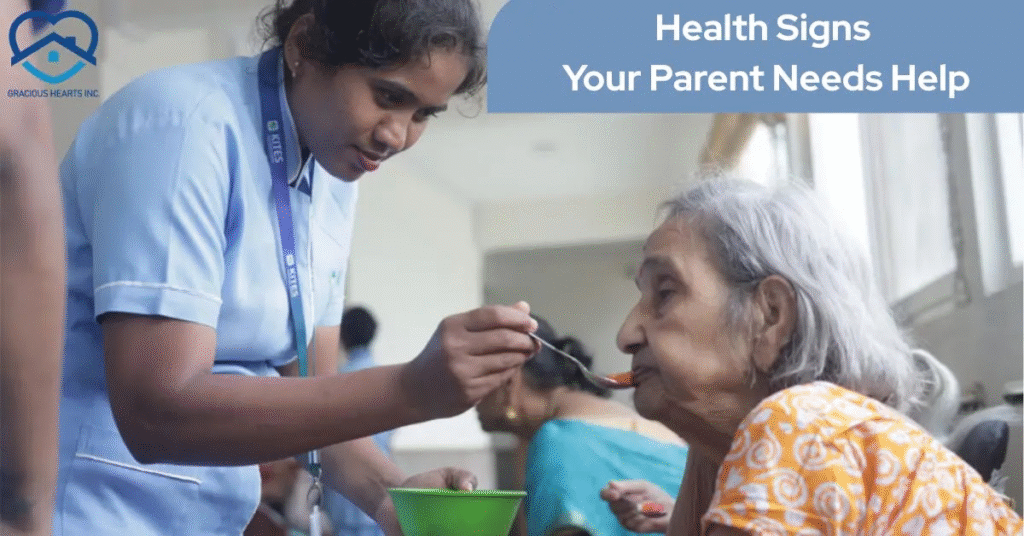
Recognizing these signs early can lead to timely interventions and improved quality of life.
1. Mismanaging Medications
A study published in BMC Geriatrics found that taking multiple medications and low literacy can lead to mistakes in self-administering medicine among older adults.
It raises costs and reduces treatment effectiveness.
The U.S. Food and Drug Administration reports that medication errors cause at least one death daily and injure about 1.3 million people each year, with older adults especially at risk.
2. Skipping Doctor Appointments
Missed or delayed medical appointments can be a sign of cognitive decline, depression, or mobility issues.
Missed appointments represent a significant risk marker for all-cause mortality, particularly in patients with mental health conditions.
Factors contributing to missed appointments include transportation difficulties, forgetfulness, and lack of social support.
Addressing these barriers can improve healthcare access and outcomes for older adults.
3. Frequent Hospital Visits
Older patients who are often hospitalized should get extra care from a team that includes case managers and planners to address their complex health needs.
This approach may help reduce the number of hospital admissions by providing holistic and patient-centered care.
4. Uncontrolled Chronic Conditions
\According to the National Council on Aging, nearly 93% of adults aged 65 and older have at least one chronic condition, and 79% have two or more.
Uncontrolled chronic conditions can lead to complications and decreased quality of life.
Effective management through medication adherence, regular monitoring, and lifestyle modifications is crucial to prevent exacerbations and hospitalizations.
3 Communication Signs Your Elderly Parent Needs Help
As individuals age, changes in communication abilities can be indicative of underlying health issues.
1. Trouble Following Conversations
Older adults may experience difficulty in following conversations, especially in noisy environments or when multiple people are speaking.
This can result from age-related hearing loss or cognitive decline.
Research indicates that individuals with dual sensory loss report frequent challenges in understanding speech in such settings.
2. Misunderstanding Instructions
Difficulty in comprehending and following instructions can be indicative of cognitive impairments, such as dementia.
Older adults may struggle with understanding verbal or written directions. It leads to confusion and potential safety concerns.
It’s essential to provide clear, concise, and repeated instructions to ensure understanding and adherence
3. Avoiding Phone Calls or Visits
A noticeable withdrawal from social interactions, such as avoiding phone calls or visits, can be a sign of depression, cognitive decline, or sensory impairments.
Older adults may find it challenging to engage in conversations due to hearing loss, memory issues, or a lack of confidence in their communication abilities.
Preventive Measures: Helping Your Elderly Parent Before It’s Too Late
Here’s how you can make a meaningful difference:
1. Establishing Routine Health Check-Ups
The Centers for Disease Control and Prevention (CDC) emphasizes the importance of routine health check-ups to monitor chronic conditions and adjust treatments as necessary.
These visits also provide an opportunity to review medications and ensure they are still appropriate.
2. Medication Reminders
Utilizing medication reminder tools, such as pill organizers with alarms or digital dispensers, can help ensure timely and accurate medication adherence.
This practice is vital in preventing missed doses or potential overdoses, contributing to better health outcomes.
3. Fall-Proofing the Home
The National Institute on Aging recommends several home modifications to reduce fall risks, such as installing grab bars in bathrooms.
Ensure adequate lighting, removing tripping hazards like loose rugs, and securing handrails on stairs.
4. Encouraging Socialization and Hobbies
Encourage your parent to participate in community activities, join clubs, or pursue interests that bring joy and fulfillment.
Social engagement combats loneliness and has been linked to improved cognitive function and overall well-being.
Professional Help and Resources for Elderly Care
If you notice significant changes in your parents’ health, behavior, or daily functioning, it’s crucial to consult healthcare professionals.
Geriatric specialists, in particular, are trained to address the complex health issues that older adults face.
Regular medical check-ups can help in the early detection and management of conditions such as dementia, diabetes, or heart disease.
Home care allows seniors to receive assistance in the comfort of their own homes. Nursing homes provide 24-hour medical care for individuals with severe health issues.
Assisted living facilities offer a balance, providing support with daily activities while promoting social interaction and independence.
For families in Arizona seeking exceptional elderly care, Gracious Hearts Inc. stands out as a trusted provider.
Located in Phoenix, AZ, Gracious Hearts Inc. offers a range of services tailored to meet the unique needs of each resident.
FAQs
What are common signs an elderly parent needs help at home?
Common signs include difficulty with daily activities like cooking, cleaning, or bathing, frequent forgetfulness, unexplained weight loss, poor hygiene, increased falls, or withdrawal from social activities. These changes often indicate your parent may need extra support.
How do I know if my elderly parent can’t live alone anymore?
If your parent shows signs such as frequent accidents, confusion about time or place, inability to manage medications, neglecting bills, or unsafe living conditions, it may be unsafe for them to live alone. A professional assessment can help determine the right level of care.
When should I consider hiring a caregiver for my elderly parent?
Consider hiring a caregiver if your parent struggles with mobility, managing medications, preparing meals, or maintaining personal hygiene. If you notice increased forgetfulness, loneliness, or safety risks at home, in-home care may be the right step.
What should I do if my aging parent refuses help?
Start by having a gentle, respectful conversation. Focus on their safety and independence rather than loss of control. Sometimes, involving a doctor, care manager, or trusted family member can make them more open to accepting assistance.
How can I monitor my elderly parent’s well-being from a distance?
You can use regular phone or video calls, check-ins from neighbors, medication reminder systems, and health-monitoring devices. Hiring professional in-home caregivers or using home care agencies is another reliable way to ensure their safety.
Bottom Line
Early detection of issues such as cognitive decline, mobility challenges, or social withdrawal allows for timely intervention, which can significantly improve outcomes and preserve quality of life.
It’s important to understand that seeking help is not about diminishing your parents’ independence but about enhancing their safety and comfort.
Engaging professional services, whether it’s home care, medical support, or community resources, empowers your parent to maintain autonomy in a secure environment.
By addressing concerns early, you not only safeguard your parents’ health but also create a supportive network that promotes their dignity and happiness.
