Sock Helper Elderly: The Complete Guide to Easy, Safe Dressing
According to the National Institute on Aging (NIA), many adults over 65 experience reduced flexibility, joint stiffness, and balance challenges that make everyday dressing tasks, such as putting on socks, more difficult and risky.
This is why tools like a sock helper elderly device, have become increasingly essential for safe, independent living.
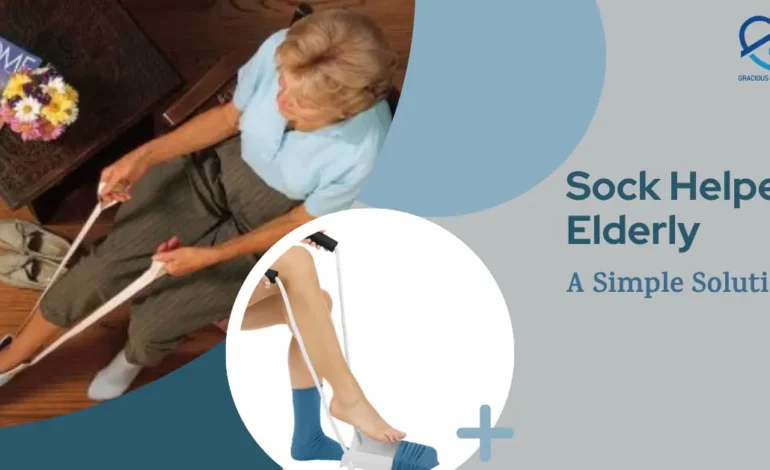
A sock helper for the elderly is an assistive dressing device designed to help older adults put on socks without bending forward or straining their bodies.
It normally uses a flexible shell or cradle to hold the sock open, along with long pull straps that allow the sock to slide smoothly over the foot while the user remains seated upright.
By removing the need to reach down, sock helpers significantly reduce strain on the lower back, hips, and knees.
While often confused with general sock aids, sock helpers are primarily designed for everyday socks, whereas other sock aids may be built for compression stockings or medical hosiery.
In this article, we’ll break down exactly how sock helpers work, who benefits most from them, the different types available, and how to choose the right sock helper for the elderly.
Why Elderly People Struggle to Put on Socks
These sock-helpers for elderly people stem from a combination of physical challenges that naturally come with aging, making routine dressing uncomfortable, risky, or even painful.
1. Limited Mobility
As joints in the hips, knees, and ankles lose flexibility, bending forward to reach the feet becomes difficult or impossible.
2. Arthritis and Joint Pain
Inflammation and stiffness in the hands, knees, or spine make it painful to grip and slide socks onto the feet.
3. Hip or Knee Replacement Recovery
Following surgery, seniors are often advised to avoid bending at the waist. Limited mobility may persist for months.
4. Balance and Stability Issues
Leaning forward or standing on one leg can feel risky, especially for those with compromised balance.
This fear of falling often prevents seniors from attempting to put on socks without support.
5. Back Pain and Stiffness
Chronic back pain or overall body stiffness further restricts the ability to bend or twist.
6. Obesity or Limited Reach
Excess body weight or reduced flexibility can limit reach to the feet.
Who Should Use a Sock Helper Elderly Tool?
A sock helper elderly device provides invaluable support for anyone facing mobility challenges.
Its ergonomic design benefits a wide range of users, from seniors at home to individuals recovering from surgery.
1. Seniors Aging at Home
Older adults often experience reduced flexibility, joint stiffness, and balance issues. It makes bending to put on socks uncomfortable or risky.
A sock helper allows them to stay independent while protecting the back, hips, and knees.
2. Elderly with Arthritis or Limited Mobility
Those with arthritis or a limited range of motion can struggle with gripping socks and sliding them onto stiff or swollen feet.
A sock helper minimizes pain while simplifying daily routines.
3. Post-Surgery & Hip Replacement Patients
Individuals recovering from hip or knee replacement require careful movement to avoid strain.
A sock helper acts as a post-operative dressing aid. It can support safe rehabilitation and reduce fall risk.
4. Stroke Survivors & Others with Reduced Mobility
Stroke survivors and individuals with mobility limitations can use a sock helper to perform dressing tasks safely.
5. Caregivers Assisting Elderly Parents
For caregivers, this tool reduces physical strain while helping loved ones maintain autonomy.
How to Use a Sock Helper for Elderly Step‑by‑Step
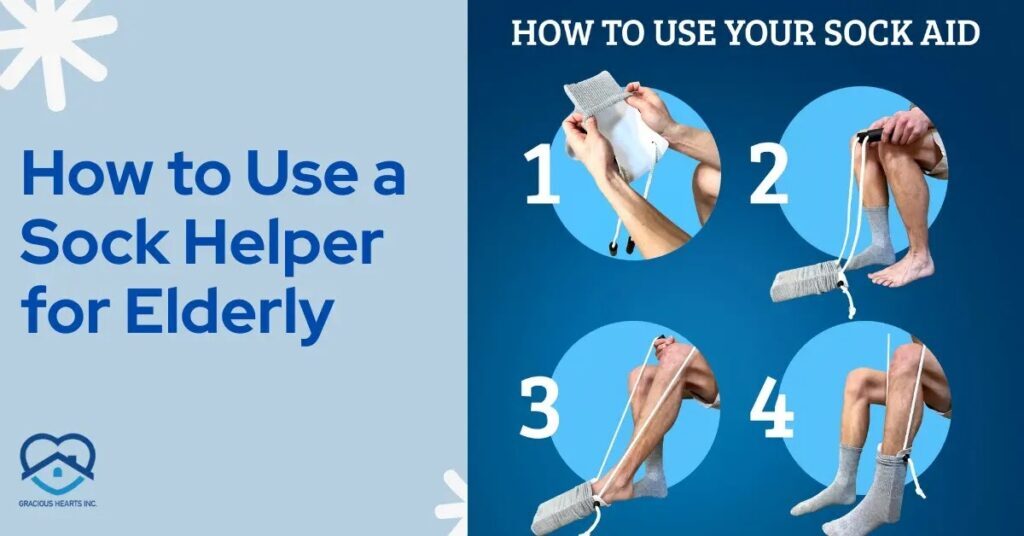
Follow these steps for smooth, strain‑free use:
Step 1: Prepare the Sock
Slide the sock onto the sock helper so the toe rests securely in the cradle or frame.
A popular and highly recommended choice is the CAidRE Sock Aid is a durable, easy-to-use device designed to help seniors, people with limited mobility, and diabetics put on socks independently and safely.
Step 2: Position Yourself Comfortably
Sit on a stable chair or bed with feet flat on the floor. Keep your back straight to avoid strain.
Step 3: Insert Your Foot
Gently place your foot into the sock opening while keeping the sock helper upright and stable.
Step 4: Pull the Straps or Handles
Slowly and steadily pull the straps upward, guiding the sock over your foot and onto your ankle. Avoid jerking or stretching the sock too much.
Step 5: Remove the Device
Once the sock is in place, release the straps and lift the sock helper away. The sock should sit smoothly on the foot without any bending.
Safety Tips
- Always sit while using the device.
- Move slowly and deliberately to avoid slips.
- Check straps for wear and tear before each use.
Tips for Caregivers
- Guide the senior in proper strap length and foot placement.
- Supervise initial attempts until confidence is gained.
- Select the right type of sock helper based on sock thickness and mobility level.
Cradle-Style Sock Aids
Molded sock aids or sock cradles feature a rigid frame to hold socks open, ideal for thicker or compression socks.
Sock Slider & Fabric Sock Aids
Flexible sock aids or sock sliders use soft materials to stretch around the sock, perfect for delicate fabrics or seniors with arthritis or swollen feet.
Key Features to Look for in a Sock Helper for Elderly
Focusing on the right features ensures seniors or caregivers choose a tool that truly makes daily dressing easier.
1. Ergonomic Foam Handles
Comfortable, ergonomic handles with soft foam provide a secure, arthritis-friendly grip. These handles reduce strain on fingers and wrists.
2. Non-Slip Straps
High-quality non-slip straps ensure the sock helper stays stable while guiding socks over the foot. This feature is essential for seniors with limited mobility.
3. Wide Cradle for Swollen or Sensitive Feet
A wide sock cradle accommodates swollen, diabetic, or sensitive feet comfortably. Seniors can slide socks on without discomfort.
4. Material & Durability: Lightweight vs. Sturdy
Choose between lightweight designs for easy handling and rigid or metal frames for long-term durability.
Lightweight options are easier for daily use, while sturdier models support thicker socks or compression hosiery.
5. Arthritis-Friendly & Ease of Use
Look for features like soft grips, smooth edges, and easy-pull handles.
Products marketed as ergonomic sock aids ensure seniors with arthritis or reduced hand strength can use them safely and independently.
Types of Sock Helper Elderly Devices
Different types are designed for specific needs, from everyday socks to medical compression hosiery and multi-tool dressing aids.
1. Standard Sock Helpers (Everyday Socks)
Standard sock helpers are ideal for daily wear socks and general use.
These devices feature a rigid or flexible cradle to hold the sock open and long straps to guide the foot in without bending.
Lightweight and easy to store, they are perfect for seniors with limited mobility or occasional difficulty reaching their feet.
Look for ergonomic handles and durable materials for optimal comfort and safety.
2. Compression Sock Helpers (Medical Use)
Specialized compression sock helpers assist with medical-grade stockings, such as Jobst.
Also called compression stocking donners, these aids stretch tight fabric. It reduces strain on fingers, wrists, and back.
They are essential for seniors recovering from surgery, managing edema, or improving circulation.
These devices ensure therapeutic socks are applied properly.
3. Sock Helper Kits (Multi-Tool Dressing Aids)
Sock helper kits, often part of a hip kit or multi-tool dressing set, include accessories like reaching sticks, shoe horns, and longer straps.
They provide comprehensive support for seniors with post-surgery limitations or severe mobility restrictions.
How to Choose the Best Sock Helper Elderly Tool
The right tool not only eases dressing but also reduces strain on the back, hips, and knees, helping seniors maintain independence.
1. Handle Length and Reach
Ensure the sock helper has adequate handle length for the user’s height and mobility.
Longer handles allow seniors to slide socks onto their feet while seated. It minimizes the need to bend forward and reduces the risk of strain or falls.
2. Flexibility and Material
Consider whether the device is rigid or flexible. Rigid models support thicker or compression socks, while flexible/fabric aids work best with lightweight or delicate socks.
The right balance ensures smooth application without tearing or bunching.
3. Sock Type Compatibility
Check that the sock helper fits the types of socks you commonly use, including everyday socks, compression stockings, or specialty socks.
Proper compatibility prevents frustration and ensures a safe, efficient dressing process.
4. Ergonomic Design and Hand Strength
For seniors with arthritis or reduced grip, ergonomic foam handles are essential.
Look for aids that are easy to pull and gentle on joints.
5. Portability and Storage
A lightweight, compact device is easy to store and carry, ideal for seniors who travel or have limited space.
Portability adds convenience without sacrificing durability or effectiveness.
Sock Helper Elderly vs Compression Sock Aid
Understanding the difference between a standard sock helper elderly tool, and a compression sock aid is essential for safety, comfort, and medical effectiveness.
Key Differences
- Sock Helper Elderly: Designed for everyday socks, flexible or rigid cradles guide the foot in without bending. Best for seniors with limited mobility or arthritis.
- Compression Sock Aid: Specifically for tight medical stockings, such as Jobst or Sigvaris. Ensures proper fit and therapeutic benefit.
When to Use Each
- Use a standard sock helper for daily wear, casual socks, or general dressing assistance.
- Use a compression sock aid when applying medical-grade compression stockings, post-surgery socks, or therapy hosiery.
Compatibility with Compression Socks
Standard sock helpers may struggle with tight stockings.
Compression sock aids are designed to stretch and slide the sock over the foot easily, ensuring proper medical compression.
Can Sock Helpers Be Used With Compression Socks?
The answer is yes, provided the correct type of sock helper is chosen.
1. Choosing the Right Type
For compression stockings like Jobst or Sigvaris, rigid or molded sock aids, also called compression stocking donners, work best.
These devices hold the sock open and allow the foot to slide in smoothly, reducing strain on fingers, wrists, and back.
Flexible or fabric sock helpers are generally not suitable for tight medical stockings.
2. Medical Guidance
Healthcare professionals often recommend sock helpers for seniors with limited mobility, post-surgery recovery, edema, or circulatory issues.
Using a sock helper ensures that compression stockings are applied correctly.
It preserves their therapeutic effectiveness and reduces the risk of skin irritation or improper fit.
3. Benefits for Seniors
For seniors, using this device reduces strain on the hands, back, and hips. It promotes independence, especially for those who have difficulty bending.
It also ensures a proper fit, helping to maximize the health benefits of compression therapy.
Sock Helper Elderly with Arthritis and Limited Mobility
Seniors with arthritis, joint pain, or limited mobility often struggle with daily tasks like putting on socks, which can be painful and risky.
Arthritis and reduced joint flexibility make it difficult to grip and stretch socks.
Using a sock helper allows seniors to slide socks onto their feet without bending or straining joints.
Reduces Hand and Wrist Strain
Ergonomic handles and foam grips minimize stress on fingers, hands, and wrists.
Seniors with weak grip strength can dress themselves pain-free.
Pain-Free Dressing for Limited Mobility
By eliminating excessive bending and stretching, sock helpers provide a gentle, energy-saving dressing process, ideal for those recovering from hip or knee replacements or managing chronic mobility limitations.
Sock Helper Elderly for Caregivers and Home Care
Caregivers assisting seniors can greatly benefit from using a sock helper elderly device, improving efficiency, reducing physical strain, and enhancing the overall quality of care.
Save Time During Daily Care
Sock helpers allow caregivers to assist quickly and safely, even when helping multiple seniors.
With the right tools, daily routines become smoother and less stressful for both seniors and caregivers.
Minimize Physical Strain
Ergonomic designs and long handles reduce strain on the back, shoulders, and wrists.
This is especially important for those providing care for extended periods or for multiple family members.
Improve Daily Routines with Professional Support
For families seeking high-quality caregiving, services like Gracious Heart Inc. offer trained professionals who not only assist with daily dressing tasks but also bring experience, empathy, and safety into every interaction.
Using tools like sock helpers in combination with Gracious Heart Inc. caregivers ensures seniors maintain independence and comfort.
Common Problems With Sock Helper Elderly Tools
Recognizing these common issues and knowing how to fix them ensures seniors and caregivers enjoy a safe, comfortable, and independent dressing experience.
1. Socks Slipping Off the Device
Thin or loose socks may slide off the sock helper while being pulled onto the foot, which can cause frustration or require repeated attempts.
To prevent this, fully stretch the sock over the cradle or rigid frame before use. Choosing socks with a slightly elastic grip can help them stay in place.
You can also consider models with foam inserts or non-slip coatings to hold socks securely.
2. Strap or Cord Length Issues
Straps that are too short may force you to bend, while straps that are too long can tangle or make the motion more complicated.
To avoid this, choose a device with ergonomic, adjustable straps that suit your height and seating position.
For those with limited mobility, sock helper kits with extendable reach offer better control and comfort.
3. Socks Rolling or Bunching
Thin, stretchy, or compression socks can roll up or bunch as they are pulled over the foot, causing discomfort or an improper fit.
To prevent this, use cradle-style or compression sock aids for better control.
Smooth the sock gradually as it slides over the foot, and make sure it is evenly placed on the device before pulling.
FAQs About Sock Helper Elderly Devices
1. What is the best sock helper for elderly people?
For daily socks, a cradle-style or rigid sock aid works well, while for compression stockings, a dedicated compression sock aid like the CAidRE Sock Aid ensures proper fit and reduces strain. Look for ergonomic handles, non-slip straps, and a wide cradle for comfort and ease of use.
2. Can elderly people use a sock helper by themselves?
Yes, elderly people can use a sock helpe themselves. Modern sock helpers are designed for independent use, allowing seniors with limited mobility or arthritis to slide socks onto their feet without bending. Devices with long handles or adjustable straps make the process safe and manageable.
3. Are sock helpers safe for seniors?
When used correctly, sock helper elderly tools are very safe. They reduce bending, twisting, and hand strain, minimizing the risk of falls or injuries. Always ensure socks are properly positioned and pull slowly to prevent slipping or rolling.
4. Do sock helpers work with tight socks?
Yes, sock helpers work with tight socks, especially if you use compression sock aids or cradle-style devices. These tools are specifically designed to handle tight or medical-grade socks. It stretches them over the foot without excessive force.
5. Are sock helpers recommended by doctors?
Many healthcare professionals, occupational therapists, and physiotherapists recommend sock helpers for seniors, especially those recovering from surgery or managing chronic mobility issues. These devices support safe, independent dressing, reducing the risk of falls and injuries.
Conclusion
A sock helper elderly device is a tool that can restore independence, reduce strain, and enhance safety for seniors with limited mobility, arthritis, or post-surgery recovery needs.
By eliminating the need to bend or stretch, these aids protect hips, knees, and backs while allowing seniors to maintain daily routines with confidence.
Investing in a reliable sock helper ensures seniors can dress themselves comfortably and pain-free.
Caregivers also benefit, as ergonomic designs and long handles reduce physical strain and make assistance easier and safer.
For families seeking compassionate, experienced assistance, services like Gracious Heart Inc. provide trained caregivers who can integrate tools like sock helpers into daily routines.
