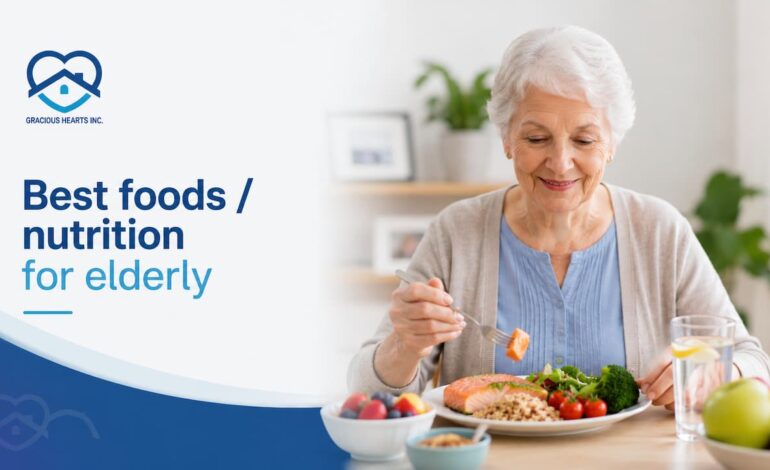
Best Foods and Nutrition for Elderly Adults
A grandmother who used to cook every night suddenly living on toast and tea is more common than most families realize. The best foods and nutrition for elderly adults center on protein, fiber, calcium, and steady hydration, adjusted for a slower metabolism and often a smaller appetite. Getting this right protects muscle, bone strength, and independence far more than most people expect.
This guide covers which nutrients matter most as we age, which foods deliver them, and how to work around common obstacles like appetite loss or trouble chewing.
Why Nutrition Needs Change With Age
Metabolism slows down with age, so older adults generally need fewer calories than they did in their 30s or 40s. At the same time, the need for certain nutrients actually goes up.
Protein is the clearest example. Muscle mass naturally declines with age, a process called sarcopenia, and adequate protein intake helps slow that loss. Yet most adults over 71 fall short of the recommended amount.
Absorption also becomes less efficient with age. This means every calorie needs to work harder, packed with nutrients rather than empty sugar or refined starch.
Key Nutrients Older Adults Need
A handful of nutrients deserve special attention in an elderly diet. Getting familiar with these makes meal planning much simpler.
Protein
Protein supports muscle strength, wound healing, and immune function. Good sources include lean meat, poultry, fish, eggs, dairy, beans, and lentils.
Older adults are generally advised to eat between 5 and 6.5 ounces of protein a day, spread across meals rather than loaded into one. Spreading it out helps the body actually use it for muscle maintenance.
Calcium and Vitamin D
Bones lose density with age, which raises fracture risk after a fall. Dairy products, fortified plant milks, and leafy greens all help meet calcium needs, while vitamin D supports calcium absorption.
Fiber
Fiber supports digestion and helps prevent constipation, which becomes more common with age and with certain medications. Whole grains, beans, vegetables, and fruit are reliable sources.
Water
Thirst signals weaken with age, so dehydration can creep up without any obvious warning. Steady water intake throughout the day, rather than large amounts all at once, works best.
Dehydration doesn’t just cause fatigue and confusion. It’s also linked to a higher risk of urinary tract infections in older women, which tend to show up with different symptoms than in younger people.
Best Foods for Elderly Adults
With the key nutrients in mind, here’s a practical list of foods that consistently show up in a healthy elderly diet.
- Eggs, for easy-to-chew, complete protein.
- Salmon and other fatty fish, for protein and heart-healthy omega-3s.
- Greek yogurt, for protein, calcium, and gut-friendly probiotics.
- Beans and lentils, for plant protein and fiber together.
- Leafy greens like spinach and kale, for calcium and vitamins.
- Berries, for fiber and antioxidants without much added sugar.
- Whole grains like oats and brown rice, for steady energy and fiber.
- Nuts and nut butters, for healthy fats and extra calories when appetite is low.
- Low-fat dairy or fortified alternatives, for calcium and vitamin D.
- Water, herbal tea, and diluted juice, for consistent hydration.
None of these need to be complicated. Simple preparation is often what keeps an older adult actually eating them.
Common Nutrition Challenges and How to Solve Them
Knowing what to eat is only half the picture. Real barriers often get in the way, and each one has a workaround.
Loss of appetite is common with age, medication side effects, or depression. Smaller, more frequent meals throughout the day tend to work better than three large ones.
Chewing and swallowing difficulties can make certain textures unsafe or unpleasant. Soups, smoothies, and well-cooked vegetables deliver the same nutrients in an easier form.
Medication interactions can affect appetite or how nutrients are absorbed. A doctor or pharmacist can flag any conflicts between a diet and a current prescription list.
Limited mobility or energy for cooking is one of the most common reasons nutrition slips at home. This is often where a caregiver’s help with meal planning and prep makes the biggest difference.
Nutrition’s Role in Recovery and Skin Health
Good nutrition isn’t only about long-term health. It plays a direct role in recovery from illness, surgery, or a hospital stay.
Adequate protein and calories speed up healing and help prevent the readmissions that often follow a poorly managed after-hospital recovery at home.
Nutrition also affects skin integrity, especially for elderly adults with thinner, more fragile skin. Protein and proper hydration support the skin’s ability to heal and play a direct role in wound care for elderly thin skin.
How Caregivers Support Better Nutrition at Home
Even with the best intentions, sticking to a nutrient-rich diet is hard without support, especially for someone managing mobility limits, memory changes, or a demanding cooking routine alone.
This is where consistent, well-planned meals matter more than any single food on a list. Gracious Hearts’ nutritious meal services provide balanced meals tailored to dietary needs, including diabetic, low-sodium, and vegetarian options, so families don’t have to manage every meal from scratch. Pairing that with personal care assistance means medication schedules, hydration reminders, and mealtimes stay consistent even on days a family caregiver can’t be there.
Why This Matters to Us
Caregivers at Gracious Hearts see the connection between nutrition and everything else in senior care play out daily in Phoenix homes. A resident eating well sleeps better, recovers faster from illness, and has fewer falls tied to weakness or dizziness.
That’s why meal planning is built into the senior care services Gracious Hearts provides, rather than treated as an afterthought. Small, consistent nutrition choices tend to matter more over time than any single dramatic diet change.
Frequently Asked Questions
What foods should elderly people eat every day?
Foods elderly people should eat every day include a protein source at each meal, calcium-rich dairy or fortified alternatives, fiber from whole grains and vegetables, and consistent water intake throughout the day.
How much protein does an older adult need daily?
Protein needs for older adults generally fall between 5 and 6.5 ounces per day, spread across meals rather than concentrated in one sitting to support muscle maintenance.
What causes loss of appetite in elderly adults?
Loss of appetite in elderly adults can stem from medication side effects, a slower metabolism, reduced taste sensitivity, depression, or an underlying illness. Persistent appetite loss is worth discussing with a doctor.
Is dehydration common in older adults?
Dehydration is common in older adults because thirst signals weaken with age, meaning someone can be dehydrated without feeling thirsty. Regular small amounts of fluid throughout the day help prevent it.
Can a caregiver help manage an elderly parent’s diet?
A caregiver can manage an elderly parent’s diet by planning balanced meals, tracking dietary restrictions, and keeping hydration and mealtimes consistent, which is especially useful for families who can’t be present every day.